Category: Entertainment

  • How Streaming Platforms are Changing the Entertainment Landscape

    How Streaming Platforms are Changing the Entertainment Landscape

    Streaming platforms have revolutionized the entertainment industry, transforming how content is consumed, produced, and distributed. From offering unprecedented convenience to reshaping traditional media, these platforms have had a profound impact on the entertainment landscape. This article explores the key ways streaming services are changing the industry and the implications for both consumers and creators.

    The Shift from Traditional to Digital Media

    On-Demand Access

    Streaming platforms offer on-demand access to a vast library of content, allowing users to watch movies, TV shows, and other media at their convenience. This shift from traditional television, where viewers had to adhere to broadcast schedules, has changed how people consume entertainment. With platforms like Netflix, Hulu, and Disney+, viewers can choose what to watch and when, without being tied to a fixed schedule.

    Subscription-Based Models

    The subscription-based model has become a standard in the streaming industry. Consumers pay a monthly fee to access a wide range of content without additional costs per title. This model provides an alternative to traditional pay-per-view and cable TV services, offering greater affordability and variety. It also encourages platforms to continuously expand their content offerings to retain subscribers.

    Streaming Platforms
    Streaming Platforms

    Impact on Content Production and Distribution

    Original Content Creation

    Streaming platforms have become major players in content creation, producing original programming that competes with traditional media. Companies like Netflix, Amazon Prime Video, and Apple TV+ invest heavily in creating exclusive series, films, and documentaries. This focus on original content has led to high-quality productions and has given rise to new opportunities for creators and filmmakers.

    Global Reach and Local Content

    Streaming services have a global reach, allowing content to be distributed worldwide with ease. This has led to a greater diversity of content, as platforms can cater to international audiences with localized programming. For example, shows like “Money Heist” (La Casa de Papel) and “Squid Game” have gained global popularity, highlighting the growing influence of international content.

    Data-Driven Programming

    Streaming platforms leverage data analytics to inform content creation and recommendations. By analyzing viewing patterns and preferences, platforms can tailor their programming to match user interests. This data-driven approach allows for more targeted content offerings and personalized recommendations, enhancing the user experience.

    Changes in Viewer Behavior

    Binge-Watching Culture

    The ability to stream entire seasons of a show in one sitting has given rise to binge-watching culture. Viewers can consume content at their own pace, leading to changes in how people engage with media. This shift has also influenced how shows are structured, with creators designing episodes to be consumed in bulk rather than on a weekly basis.

    Increased Competition for Attention

    With the proliferation of streaming platforms and content options, competition for viewers’ attention has intensified. Platforms must continually innovate and offer compelling content to attract and retain subscribers. This competition drives the creation of high-quality programming and pushes the boundaries of storytelling.

    Economic and Industry Implications

    Disruption of Traditional Media Models

    Streaming platforms have disrupted traditional media models, challenging established television and film industries. Traditional cable TV and satellite services are facing declining subscriptions as more viewers turn to streaming for their entertainment needs. This shift has led to a reevaluation of how media companies operate and generate revenue.

    New Revenue Streams and Business Models

    The rise of streaming has introduced new revenue streams and business models. In addition to subscription fees, platforms explore various monetization strategies, including advertising-supported tiers and partnerships with other businesses. This diversification allows platforms to reach different segments of the market and maximize revenue.

    The Future of Streaming and Entertainment

    Technological Advancements

    Advancements in technology will continue to shape the future of streaming and entertainment. Innovations such as 4K and 8K resolution, virtual reality (VR), and augmented reality (AR) are expected to enhance the viewing experience and introduce new ways to engage with content. Streaming platforms will likely integrate these technologies to offer immersive and interactive experiences.

    Evolving Content Trends

    Content trends will evolve as streaming platforms adapt to changing viewer preferences. There will be a growing emphasis on interactive and personalized content, as well as an increased focus on diversity and inclusion. Platforms will continue to explore new formats and genres to meet the demands of an ever-changing audience.

    Local News and Community Engagement

    The Kootenai Valley Times is dedicated to providing timely, relevant news coverage and fostering civic discussion for our local community residents. We report on politics, school board decisions, and local recreational events. As media consumption diversifies, so do leisure activities, which may include finding information about the bestussportsbetting online betting sites usa. Your community newspaper remains the essential source for local information.

    Conclusion

    Streaming platforms have fundamentally changed the entertainment landscape by offering on-demand access, fostering original content creation, and reshaping viewer behavior. As the industry continues to evolve, streaming services will play a central role in shaping the future of media consumption and production. By embracing technological advancements and adapting to changing trends, these platforms will continue to drive innovation and transform the way we experience entertainment.


  • The Role of Comedy in Addressing Social Issues

    The Role of Comedy in Addressing Social Issues

    Comedy has long been a powerful tool for addressing social issues, offering a unique way to engage audiences and provoke thought while providing entertainment. By using humor to explore complex topics, comedians and satirists can highlight injustices, challenge societal norms, and foster dialogue. This approach not only entertains but also encourages audiences to reflect on serious issues. Let’s delve into how comedy plays a crucial role in addressing social issues and the impact it can have.

     Addressing Social Issues
    Addressing Social Issues

    Using Humor to Highlight Injustices

    Comedy can shine a light on societal injustices by framing them in a way that is both engaging and thought-provoking. Satire and stand-up comedy often address issues like inequality, racism, and political corruption, making them more accessible to a wider audience. Comedians like Jon Stewart and John Oliver use their platforms to critique political and social systems, employing humor to break down complex issues and expose contradictions. By laughing at the absurdities of these issues, audiences can better understand the underlying problems and the need for change.

    Challenging Societal Norms and Stereotypes

    Comedy has the power to challenge and subvert societal norms and stereotypes. Through humor, comedians can address topics such as gender roles, sexuality, and cultural differences, often breaking down barriers and fostering understanding. For instance, comedians like Dave Chappelle and Hannah Gadsby use their performances to discuss race, identity, and personal experiences, pushing audiences to question preconceived notions and biases. By addressing these topics through comedy, they create a space for conversation and reflection, encouraging viewers to reconsider their own views and assumptions.

    Fostering Dialogue and Promoting Empathy

    Comedy can serve as a catalyst for dialogue, promoting empathy and understanding among diverse audiences. By presenting sensitive topics in a humorous light, comedians can make difficult conversations more approachable and less confrontational. Shows like “The Daily Show” and “Last Week Tonight” tackle current events and social issues with humor, making it easier for audiences to engage with and discuss these topics. This approach not only entertains but also opens up avenues for constructive dialogue and greater empathy, as humor often breaks down the barriers of defensiveness and resistance.

    Offering a Cathartic Experience

    Humor provides a cathartic experience for both comedians and audiences, allowing for the release of tension and stress related to social issues. By laughing about difficult topics, individuals can process their emotions and gain perspective. Comedians often draw from personal experiences and societal observations, turning their challenges and frustrations into relatable and humorous content. This can help audiences feel less isolated in their struggles and more connected to others facing similar issues. The therapeutic aspect of comedy allows for a shared experience of relief and understanding.

    Satire as a Tool for Social Critique

    Satire is a specific form of comedy that uses exaggeration and irony to critique societal norms, institutions, and figures. Through satire, comedians and writers can offer sharp commentary on political and social issues, often highlighting the absurdities and flaws within systems of power. Classic examples include Jonathan Swift’s “A Modest Proposal” and more recent works like “The Simpsons” and “Saturday Night Live.” These satirical pieces use humor to engage audiences while encouraging critical thinking about important issues. By presenting serious subjects in a satirical manner, they make it easier for people to question and reflect on societal practices and policies.

    The Impact of Comedy on Social Change

    Comedy can have a tangible impact on social change by raising awareness and inspiring action. Through humor, comedians can make issues more relatable and memorable, motivating audiences to engage in activism or support causes. For example, campaigns like “Funny or Die” and comedic performances by celebrities have drawn attention to important social issues and charitable causes. By combining entertainment with advocacy, comedy can effectively mobilize people and contribute to social movements.

    The Risks and Responsibilities of Comedy

    While comedy has the power to address social issues effectively, it also comes with risks and responsibilities. The line between humor and offense can be thin, and comedians must navigate this carefully to avoid perpetuating harmful stereotypes or offending marginalized groups. Comedy that relies on punching down or reinforcing negative stereotypes can contribute to social harm rather than fostering positive change. Comedians have a responsibility to use their platform thoughtfully, ensuring that their humor contributes to constructive dialogue and respects the dignity of all individuals.

    Conclusion

    Comedy plays a vital role in addressing social issues by making complex topics accessible, challenging societal norms, fostering dialogue, and offering a cathartic experience. Through humor, comedians can highlight injustices, question stereotypes, and inspire empathy, making it a powerful tool for social critique and change. As comedy continues to evolve, its potential to contribute to meaningful discussions and promote social progress remains significant.

  • Classic Books That Have Shaped Modern Entertainment

    Classic Books That Have Shaped Modern Entertainment

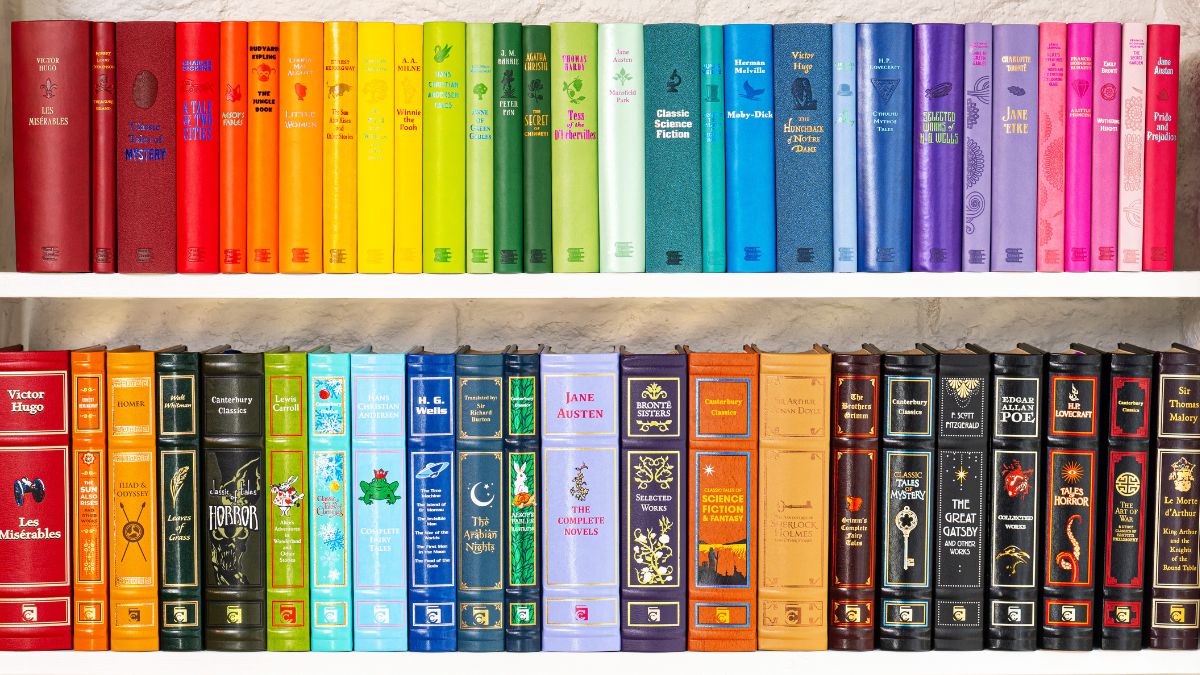
    Classic Books . Classic literature has had a profound impact on modern entertainment. From blockbuster movies and TV shows to video games and theater, many aspects of contemporary culture find their roots in timeless books. These classic works continue to inspire storytellers across different mediums, influencing narrative structures, character development, and thematic elements. Let’s explore some of the classic books that have left an indelible mark on modern entertainment.

    “Frankenstein” by Mary Shelley: The Birth of Science Fiction

    Published in 1818, Frankenstein by Mary Shelley is often regarded as the first science fiction novel. The story of Dr. Victor Frankenstein and his monstrous creation has been adapted into countless films, TV series, and even video games. The themes of playing God, the dangers of unchecked scientific ambition, and the quest for identity continue to resonate in modern storytelling. Movies like The Bride of Frankenstein (1935) and more recent adaptations like Victor Frankenstein (2015) showcase the enduring appeal of this classic. Beyond direct adaptations, the story has influenced the broader genre of science fiction, inspiring narratives that explore the ethical implications of technological advancement.

    “Pride and Prejudice” by Jane Austen: The Blueprint for Romantic Comedies

    Jane Austen’s Pride and Prejudice, first published in 1813, has left a lasting impact on the romantic comedy genre. The novel’s witty dialogue, strong female protagonist, and slow-burn romance have served as a template for countless films and TV shows. Adaptations like the 1995 BBC miniseries and the 2005 movie starring Keira Knightley have brought the timeless love story of Elizabeth Bennet and Mr. Darcy to new generations. Beyond direct adaptations, the novel’s influence is evident in modern romantic comedies that feature complex characters, social commentary, and a blend of humor and romance. Movies like Bridget Jones’s Diary (2001) and You’ve Got Mail (1998) echo the charm and wit of Austen’s original work.

    Classic Books
    Classic Books

    “Moby-Dick” by Herman Melville: An Exploration of Obsession

    Herman Melville’s Moby-Dick (1851) is more than just a story about a man hunting a whale; it is a deep exploration of obsession, revenge, and the human condition. This complex narrative has inspired numerous films, stage adaptations, and even operas. The novel’s central themes of obsession and the relentless pursuit of an unattainable goal have influenced a wide range of stories in modern entertainment. Movies like Jaws (1975) borrow heavily from the themes of Moby-Dick, focusing on a central character’s fixation on a singular, almost mythical, antagonist. The psychological depth and philosophical undertones of the book continue to inspire creators across various mediums.

    “1984” by George Orwell: A Cautionary Tale for Modern Society

    George Orwell’s 1984, published in 1949, has become a touchstone for discussions about surveillance, totalitarianism, and the loss of personal freedoms. The book’s dystopian vision of a world dominated by Big Brother has inspired films, TV shows, and video games that explore similar themes of oppression and control. Movies like V for Vendetta (2005) and TV series like Black Mirror draw heavily from Orwellian concepts, exploring the dark side of technology and authority. The novel’s chilling portrayal of a surveillance state continues to resonate in today’s digital age, making it one of the most influential books on modern entertainment.

    “Alice’s Adventures in Wonderland” by Lewis Carroll: A Wonderland of Imagination

    First published in 1865, Lewis Carroll’s Alice’s Adventures in Wonderland has sparked the imaginations of creators for generations. The whimsical world, eccentric characters, and surreal narrative have been adapted into numerous films, animated series, stage productions, and even theme park attractions. Disney’s animated Alice in Wonderland (1951) and Tim Burton’s live-action adaptation (2010) are just a few examples of how this classic has been reimagined for different audiences. Beyond direct adaptations, Carroll’s work has inspired countless stories that explore alternate realities, dreamlike worlds, and the limits of imagination.

    “Dracula” by Bram Stoker: The Cornerstone of Gothic Horror

    Bram Stoker’s Dracula, published in 1897, is the definitive vampire novel that laid the foundation for the entire genre of vampire fiction. The character of Count Dracula has become a cultural icon, appearing in numerous films, TV shows, and other media. From the early adaptation of Nosferatu (1922) to modern shows like Buffy the Vampire Slayer and movies like Bram Stoker’s Dracula (1992), the influence of Stoker’s work is evident. The themes of immortality, forbidden love, and the battle between good and evil continue to captivate audiences. The novel’s atmospheric storytelling and complex characters have inspired generations of creators in the horror genre and beyond.

    “The Great Gatsby” by F. Scott Fitzgerald: A Tale of Dreams and Disillusionment

    Published in 1925, The Great Gatsby by F. Scott Fitzgerald has become a quintessential American novel that explores themes of ambition, love, and the American Dream. The story of Jay Gatsby and his pursuit of Daisy Buchanan has been adapted into multiple films, including the 2013 version directed by Baz Luhrmann. The novel’s exploration of wealth, class, and disillusionment continues to resonate in modern narratives that examine the darker side of ambition and desire. Its themes are frequently echoed in stories that critique the notion of success and the cost of pursuing it.

    Conclusion

    Classic books have shaped modern entertainment by providing timeless stories, rich characters, and profound themes that continue to resonate. Whether through direct adaptations or thematic inspirations, these literary works have laid the foundation for countless movies, TV shows, and other forms of entertainment. As new generations rediscover these classics, their influence will undoubtedly continue to shape the cultural landscape.

  • Behind the Scenes: How Your Favorite TV Shows Are Made

    Behind the Scenes: How Your Favorite TV Shows Are Made

    TV shows have become an integral part of modern entertainment, capturing the hearts and minds of millions worldwide. However, while viewers enjoy the finished product on their screens, the process of creating these shows is a complex and fascinating journey. From scripting and casting to filming and post-production, every stage involves meticulous planning and hard work. Let’s explore how your favorite TV shows come to life.

    The Script: The Foundation of Any TV Show

    Every great TV show starts with a script. Writers brainstorm ideas, develop characters, and craft engaging plots that will keep viewers hooked. This process often begins months, if not years, before the show ever reaches the screen. Writers work closely with showrunners and producers to ensure that the script aligns with the overall vision of the show. After the initial draft is completed, it goes through multiple rounds of revisions. Feedback from producers, network executives, and sometimes even the cast, helps refine the storyline. Only after this rigorous process does the script become finalized, ready to guide the production team.

    Favorite TV Shows
    Favorite TV Shows

    Casting: Choosing the Right Actors

    Casting is another crucial element in the creation of TV shows. Selecting the right actors to bring characters to life can make or break a show. Casting directors work closely with producers and directors to find the perfect fit for each role. Auditions are held, and actors are screened to see if they match the character’s physical traits and personality. Often, casting choices are made based on chemistry between actors, especially if the characters share a close relationship on screen. Once the lead and supporting cast are selected, contracts are signed, and rehearsals begin. The chemistry and dynamics between the cast members are crucial for a show’s success, and this is often developed during these early rehearsals.

    Pre-Production: Preparing for Filming

    Before cameras start rolling, a lot of groundwork needs to be laid. This phase, known as pre-production, involves setting the stage for the actual filming process. Location scouting is conducted to find the perfect settings for various scenes. The production design team starts creating sets, costumes, and props. Meanwhile, the director, along with the cinematographer, plans out the visual style of the show. Storyboards are created to outline each shot and scene, ensuring everyone is on the same page. Additionally, budgets are finalized, schedules are made, and crew members are hired. All these elements must come together seamlessly to ensure a smooth filming process.

    Filming: Bringing the Script to Life

    Filming is where the magic happens. With scripts in hand and sets prepared, the crew and cast come together to bring the story to life. Filming can take place on a sound stage, a closed set, or on-location, depending on the show’s requirements. Each day on set is carefully planned to maximize efficiency. The director guides the actors through their performances, and multiple takes are often needed to capture the perfect scene. The cinematographer ensures that lighting, angles, and camera movements all contribute to the desired look and feel. Filming can be a grueling process, often requiring long hours and multiple takes to get each scene just right. But it is also a collaborative and creative environment where everyone from the actors to the crew contributes to the final product.

    Post-Production: Crafting the Final Product

    Once filming wraps up, the show moves into post-production. Here, editors piece together the footage to create a coherent and engaging narrative. Sound designers add effects and score composers create music to heighten the emotional impact of each scene. Meanwhile, visual effects teams work on CGI and other special effects that are crucial for many modern TV shows. Color grading is done to ensure visual consistency across episodes. At this stage, the showrunner and producers provide feedback, often requiring changes and refinements to the editing. Once all elements are polished, the final cut is sent for review and approval.

    Distribution: Getting the Show to Viewers

    After the final cut is approved, the show is ready for distribution. This step involves working with networks and streaming platforms to schedule release dates and promote the show. Marketing teams develop campaigns that include trailers, posters, and interviews to create buzz and anticipation. The premiere date is set, and the show is finally released to the public. From there, the audience response and ratings help determine whether a show gets renewed for additional seasons.

    Conclusion

    Creating a TV show is a collaborative effort that involves a wide range of talented individuals. From writers and directors to actors and crew members, each person plays a vital role in bringing a story to life. The next time you watch your favorite TV show, remember the immense effort and creativity that went into making it.

  • The Evolution of Music Genres: From Classic to Contemporary

    The Evolution of Music Genres: From Classic to Contemporary

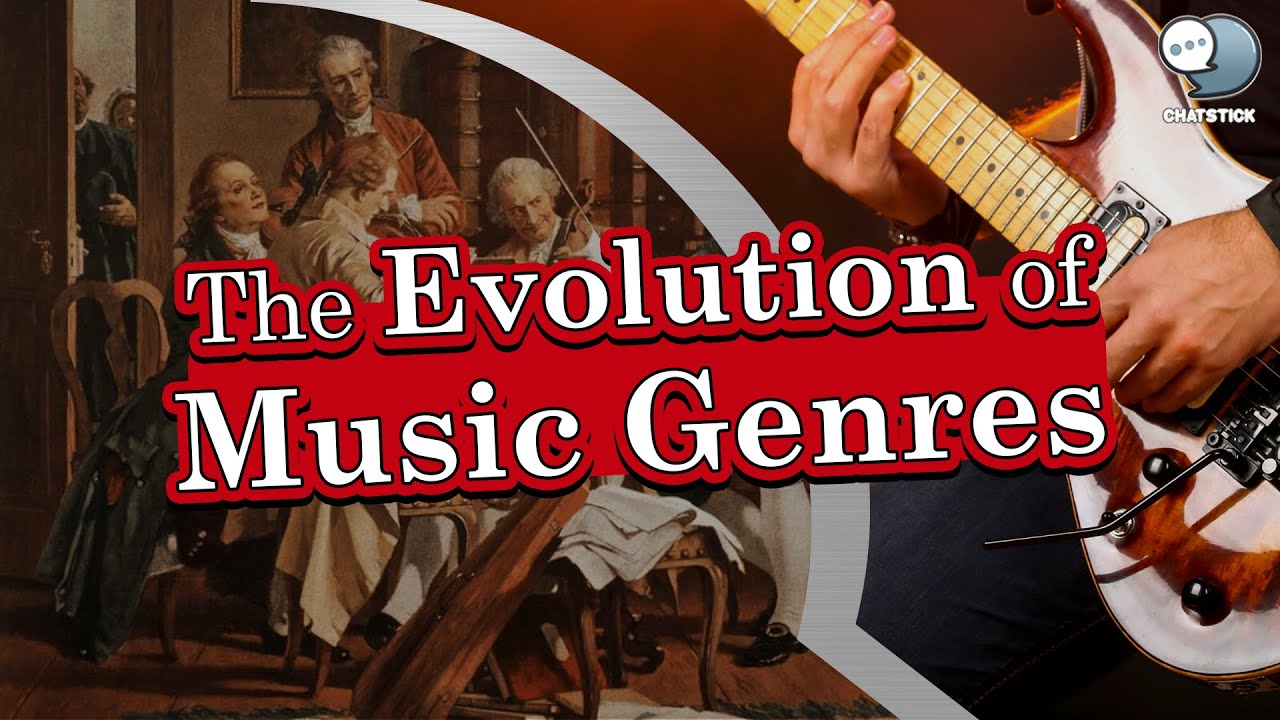
    Music is a dynamic art form, continuously evolving and reflecting changes in culture, technology, and society. From the intricate compositions of classical music to the diverse sounds of contemporary genres, the evolution of music genres offers a fascinating journey through history. Here’s an exploration of how music has transformed from classic to contemporary styles.

    Classical Foundations

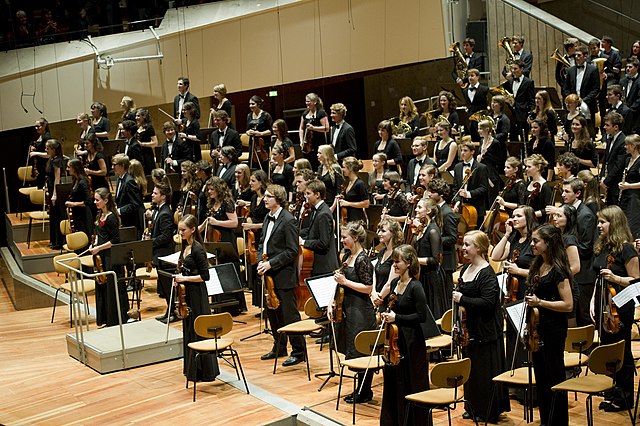
    Classical music, spanning from the Baroque era to the Romantic period, laid the foundation for many modern genres. Baroque music, characterized by its ornate melodies and harmonies, featured composers like Johann Sebastian Bach and George Frideric Handel. The Classical period followed, with figures such as Wolfgang Amadeus Mozart and Ludwig van Beethoven who introduced clarity, balance, and form to musical compositions. The Romantic era then expanded emotional expression and complexity, with composers like Franz Schubert and Richard Wagner pushing the boundaries of traditional music.

     From Classic to Contemporary
    From Classic to Contemporary

    Jazz and the Birth of Modernity

    The early 20th century marked the rise of jazz, a genre rooted in African American communities. Jazz emerged from New Orleans, combining elements of blues, ragtime, and improvisation. Louis Armstrong and Duke Ellington were pivotal in popularizing jazz, which later evolved into various subgenres like bebop, cool jazz, and free jazz. This period of innovation not only revolutionized music but also influenced other genres and musical practices.

    Rock and Roll Revolution

    In the 1950s, rock and roll burst onto the scene, transforming popular music. With its roots in rhythm and blues, rock and roll was characterized by its energetic beats, guitar riffs, and rebellious spirit. Artists like Elvis Presley and Chuck Berry became iconic figures, leading to the growth of rock music as a cultural phenomenon. The genre continued to evolve through the decades, giving rise to subgenres such as hard rock, punk rock, and alternative rock.

    Hip-Hop and Cultural Expression

    The late 1970s and early 1980s saw the emergence of hip-hop, a genre that began in the Bronx, New York. Hip-hop culture encompasses rapping (MCing), DJing, graffiti art, and breakdancing. Pioneers like DJ Kool Herc and Grandmaster Flash laid the groundwork for a genre that would become a global sensation. Hip-hop has since diversified into various styles, including gangsta rap, conscious rap, and trap, reflecting a broad spectrum of cultural and social issues.

    Electronic and Dance Music

    The 1980s and 1990s introduced electronic and dance music, driven by advancements in technology and synthesizers. Genres like techno, house, and trance emerged from the underground club scenes, offering pulsating rhythms and innovative soundscapes. Pioneers such as Kraftwerk and Daft Punk pushed the boundaries of electronic music, influencing mainstream pop and dance music. Today, electronic dance music (EDM) continues to dominate the charts and festival circuits worldwide.

    Contemporary Fusion and Global Influences

    In recent years, contemporary music has become increasingly diverse and eclectic. Artists often blend genres, creating new sounds and hybrid styles. The rise of digital platforms has facilitated the cross-pollination of genres, allowing global influences to shape contemporary music. K-pop, with its vibrant mix of pop, hip-hop, and electronic elements, exemplifies this trend. Additionally, genres like indie pop and lo-fi hip-hop have gained popularity, reflecting the evolving tastes and preferences of modern audiences.

    The Future of Music

    As technology advances and musical boundaries continue to expand, the future of music promises even greater innovation. From virtual reality concerts to AI-generated compositions, the possibilities are endless. Music will undoubtedly keep evolving, blending traditional influences with cutting-edge trends to create the sounds of tomorrow.

    Conclusion

    The evolution of music genres from classic to contemporary showcases the richness and diversity of musical expression. Each era has contributed to the development of new styles and forms, reflecting the ever-changing landscape of human creativity.

  • The Rise of Streaming Services: What to Watch Next

    The Rise of Streaming Services: What to Watch Next

    In the era of digital media, streaming services have transformed the way we consume entertainment. With a vast array of content available at our fingertips, it can be challenging to decide what to watch next. Here’s a guide to some of the most exciting shows and movies currently streaming across various platforms.

    Netflix

    Netflix continues to be a major player in the streaming world, offering a diverse range of content. One of the standout series is “The Crown,” which chronicles the reign of Queen Elizabeth II with remarkable attention to historical detail and compelling performances. For those interested in a blend of drama and fantasy, “The Witcher” provides an engaging adaptation of the popular book series. On the movie front, “The Irishman,” directed by Martin Scorsese, presents an epic crime drama with stellar performances from Robert De Niro, Al Pacino, and Joe Pesci.

    The Rise of Streaming Services
    The Rise of Streaming Services

    Hulu

    Hulu stands out for its mix of current TV shows and original content. “The Bear” has gained acclaim for its portrayal of a young chef navigating the high-pressure world of a family-run restaurant. If you’re in the mood for a gripping drama, “The Dropout” delves into the rise and fall of Elizabeth Holmes and her biotech company. Additionally, “Only Murders in the Building” combines comedy and mystery as three neighbors investigate a murder in their apartment building.

    Amazon Prime Video

    Amazon Prime Video offers an impressive selection of films and series. “The Marvelous Mrs. Maisel” continues to captivate audiences with its witty portrayal of a housewife turned stand-up comedian in the 1950s. For science fiction enthusiasts, “The Expanse” provides a complex and thrilling space opera set in a future where humanity has colonized the solar system. On the movie side, “Being the Ricardos” explores the lives of Lucille Ball and Desi Arnaz, featuring a powerful performance by Nicole Kidman.

    Disney+

    Disney+ is the go-to platform for fans of family-friendly content and beloved franchises. “The Mandalorian” remains a standout series, offering an engaging narrative set in the Star Wars universe. For animated classics, “Encanto” is a vibrant film that celebrates Colombian culture and magic. Additionally, Marvel enthusiasts can enjoy “Loki,” which expands on the adventures of the God of Mischief in the Marvel Cinematic Universe.

    HBO Max

    HBO Max is renowned for its high-quality programming and original content. “Succession” continues to deliver sharp satire and drama as it follows the power struggles within a wealthy media family. For those interested in fantasy, “House of the Dragon” explores the history of the Targaryen family from the world of “Game of Thrones.” On the film front, “Dune” offers a visually stunning adaptation of Frank Herbert’s science fiction epic.

    Apple TV+

    Apple TV+ has quickly established itself with a range of compelling original content. “Ted Lasso” is a heartwarming and humorous series about an American football coach leading a British soccer team. “Severance” provides a thought-provoking drama about employees who undergo a procedure to separate their work and personal lives. For a more cinematic experience, “Finch” stars Tom Hanks in a post-apocalyptic tale of survival and companionship.

    Conclusion

    As streaming services continue to evolve, they offer a wealth of options to suit every taste. From gripping dramas and fantasy adventures to heartwarming comedies, the next great watch is just a click away.

  • Top 10 Most Anticipated Movies of the Year

    Top 10 Most Anticipated Movies of the Year

    As the year unfolds, film enthusiasts eagerly await the release of several highly anticipated movies. From star-studded blockbusters to intriguing independent films, this year’s lineup promises an array of cinematic experiences. Here are the top 10  most anticipated movies creating the most buzz this year.

    1. “The Flash”

    Based on the DC Comics superhero, “The Flash” explores Barry Allen’s journey through time. With Ezra Miller reprising his role and the addition of Michael Keaton’s Batman, this film offers a fresh take on the multiverse. Fans anticipate high-octane action and a deep dive into DC’s interconnected universe.

    2. “Dune: Part Two”

    The epic saga continues with “Dune: Part Two,” directed by Denis Villeneuve. Following the successful adaptation of Frank Herbert’s classic novel, the sequel promises to deliver more of the grand scale and intricate storytelling that captivated audiences in the first part. Timothée Chalamet returns as Paul Atreides, navigating the treacherous desert planet of Arrakis.

    Top 10 Most Anticipated Movies
    Top 10 Most Anticipated Movies

    3. “Killers of the Flower Moon”

    Martin Scorsese’s “Killers of the Flower Moon” is based on David Grann’s best-selling book. Set in the 1920s, the film follows the Osage murders and the subsequent investigation by the FBI. Starring Leonardo DiCaprio and Robert De Niro, this historical drama aims to shed light on a dark chapter in American history.

    4. “Avatar 3”

    James Cameron’s “Avatar 3” continues the journey on Pandora, expanding on the groundbreaking visual effects and storytelling of the previous films. With Cameron’s ambition and technological prowess, this installment is set to push the boundaries of cinematic experience further.

    5. “Oppenheimer”

    Christopher Nolan’s “Oppenheimer” delves into the life of J. Robert Oppenheimer, the physicist behind the atomic bomb. Known for his thought-provoking narratives, Nolan explores the moral and personal implications of Oppenheimer’s work. Cillian Murphy stars in the titular role, promising a powerful performance.

    6. “Mission: Impossible – Dead Reckoning Part One”

    The latest entry in the “Mission: Impossible” franchise, “Dead Reckoning Part One,” continues Ethan Hunt’s thrilling escapades. Tom Cruise returns for another adrenaline-pumping adventure filled with high-stakes espionage and breathtaking stunts. Fans eagerly await the next chapter in Hunt’s relentless pursuit of justice.

    7. “Barbie”

    Greta Gerwig’s “Barbie” offers a unique twist on the iconic doll. Starring Margot Robbie, the film explores Barbie’s journey of self-discovery and empowerment. With Gerwig’s distinctive storytelling style, this film promises to be both entertaining and thought-provoking.

    8. “The Marvels”

    In “The Marvels,” director Nia DaCosta brings together Captain Marvel, Ms. Marvel, and Monica Rambeau for an intergalactic adventure. As the sequel to “Captain Marvel,” this film continues to expand the Marvel Cinematic Universe, showcasing a dynamic trio of powerful women.

    9. “Wonka”

    “Wonka,” directed by Paul King, is a prequel exploring the early life of Willy Wonka, the beloved chocolatier. Timothée Chalamet stars as the young Wonka, offering a fresh perspective on the character’s origins and the creation of his magical chocolate factory.

    10. “The Hunger Games: The Ballad of Songbirds & Snakes”

    The prequel to “The Hunger Games” series, “The Ballad of Songbirds & Snakes,” explores the origins of the Hunger Games. Set decades before the original series, this film provides insights into the early days of Panem and the rise of President Snow, played by Tom Blyth.

    Conclusion

    These films represent a diverse array of genres and storytelling styles, ensuring that moviegoers have much to look forward to this year. Whether you’re a fan of superhero epics, historical dramas, or imaginative adventures, this year’s cinematic offerings promise to captivate and entertain.

  • The Rise of Podcasts: Why Audio Entertainment is Booming in 2024

    In recent years, podcasts have transformed from a niche hobby to a mainstream form of entertainment, and 2024 is no exception. With millions of podcasts available across a variety of genres, audio content is experiencing unprecedented growth. Here’s a look at why podcasts are booming and what makes them such a popular choice for today’s listeners.

    1. Diverse Content for Every Interest

    Variety and Specialization

    One of the key reasons for the rise of podcasts is the sheer diversity of content available. Whether you’re interested in true crime, personal development, comedy, or niche hobbies, there’s a podcast for it. This specialization allows listeners to find content tailored to their exact interests, providing a personalized entertainment experience.

    Accessibility and Variety

    Podcasts offer something for everyone, from in-depth interviews with experts to lighthearted discussions on everyday topics. This variety ensures that listeners can find content that matches their mood or needs at any time.

    2. Convenience and Flexibility

    The Rise of Podcasts: Why Audio Entertainment is Booming in 2024
    The Rise of Podcasts: Why Audio Entertainment is Booming in 2024

    On-Demand Listening

    Podcasts allow listeners to consume content on their own schedule. Unlike live radio or TV shows, podcasts can be downloaded or streamed whenever and wherever it’s convenient. This flexibility caters to busy lifestyles and helps listeners fit their favorite shows into their daily routines.

    Multitasking

    Many listeners appreciate the ability to multitask while listening to podcasts. Whether commuting, exercising, or doing household chores, podcasts provide a way to stay entertained or informed without requiring visual engagement.

    3. Affordable Production and Accessibility

    Low Barriers to Entry

    The relatively low cost of producing a podcast has democratized content creation. Anyone with a decent microphone and recording software can start a podcast, leading to an explosion of diverse voices and perspectives in the audio space. This affordability also makes it easier for independent creators to reach audiences without needing a significant financial investment.

    Wide Distribution

    Platforms like Spotify, Apple Podcasts, and Google Podcasts make it easy for creators to distribute their content to a global audience. The widespread availability of podcast platforms has contributed to the genre’s popularity and growth.

    4. Engaging and Interactive Format

    Personal Connection

    Podcasts often feature hosts who connect with listeners on a personal level. The conversational nature of many podcasts creates an intimate atmosphere, allowing listeners to feel as though they’re part of an ongoing dialogue. This personal connection enhances listener loyalty and engagement.

    Community Building

    Podcasts often foster communities around their content. Listeners may participate in online forums, social media groups, or live events related to their favorite shows. This sense of community helps to build a dedicated fan base and contributes to the ongoing success of podcasts.

    5. Monetization and Industry Growth

    Advertising and Sponsorships

    As the podcast industry grows, so does its potential for revenue generation. Many successful podcasts generate income through sponsorships and advertising, which further fuels the industry’s expansion. Brands are increasingly investing in podcast advertising due to its targeted reach and engaged audience.

    Subscription Models

    Some podcasts have adopted subscription models, offering premium content or ad-free episodes to paying subscribers. This model provides an additional revenue stream for creators and offers listeners more value.

    6. The Future of Podcasts

    Technological Advancements

    Advancements in technology are likely to continue shaping the podcast landscape. Innovations such as improved audio quality, interactive features, and integration with smart home devices may enhance the podcast experience and attract more listeners.

    Expanding Genres and Formats

    The variety of podcast genres and formats will likely continue to expand. With new formats such as serialized storytelling, interactive shows, and live recordings gaining popularity, there’s no limit to the creative possibilities within the podcast medium.

    Conclusion

    The rise of podcasts in 2024 can be attributed to their diverse content, convenience, affordability, and engaging format. As the industry continues to grow and evolve, podcasts are set to remain a dominant form of audio entertainment. With something for everyone and a continually expanding array of options, podcasts are poised to capture even more listeners and continue their impressive growth trajectory.

  • How Virtual Reality is Changing the Entertainment Industry

    How Virtual Reality is Changing the Entertainment Industry

    Virtual Reality (VR) is no longer a futuristic concept; it has become a significant force in reshaping the entertainment industry. From immersive gaming experiences to interactive film narratives and virtual concerts, VR is offering new ways for audiences to engage with content. Here’s a closer look at how VR is revolutionizing entertainment.

    1. Revolutionizing Gaming Experiences

    VR has dramatically changed the landscape of gaming by providing players with immersive environments that were previously unimaginable. Unlike traditional gaming, where players interact with the game through a screen, VR allows gamers to step into the game world. This immersion enhances the sense of presence and engagement, making gameplay more interactive and exciting.

    Key Developments:

    • 360-Degree Environments: VR games offer 360-degree views, allowing players to explore and interact with their surroundings from every angle.
    • Realistic Interactions: Advanced motion tracking and haptic feedback create more realistic interactions and physical responses within the game.
    • Social Gaming: VR platforms enable multiplayer experiences where players can interact with each other in a shared virtual space.

    2. Transforming Film and Television

    How Virtual Reality is Changing the Entertainment Industry
    How Virtual Reality is Changing the Entertainment Industry

    The film and television industry is embracing VR to offer audiences a new way of experiencing stories. VR allows for the creation of immersive narratives where viewers can become active participants in the story.

    Key Developments:

    • Immersive Storytelling: VR films and series provide a 360-degree viewing experience, letting audiences explore different aspects of the story.
    • Virtual Reality Cinemas: Some cinemas are incorporating VR experiences, allowing viewers to watch films in a virtual environment that enhances the sensory experience.
    • Interactive Content: Filmmakers are experimenting with interactive VR content, where viewers can influence the storyline or interact with characters.

    3. Enhancing Live Events and Concerts

    VR is making live events and concerts more accessible and engaging. Virtual reality can bring live performances to audiences who are unable to attend in person, providing a front-row experience from the comfort of their home.

    Key Developments:

    • Virtual Concerts: Artists and bands are hosting live virtual concerts where fans can attend from anywhere in the world.
    • Virtual Festivals: Music festivals and other live events are offering virtual experiences, including backstage access and interactive elements.
    • Enhanced Viewing: VR technology allows for multiple viewing angles and immersive sound experiences, making live events more engaging.

    4. Innovating Theme Parks and Attractions

    Theme parks and attractions are incorporating VR to enhance visitor experiences. VR can create new and exciting attractions that blend physical and virtual elements.

    Key Developments:

    • VR Rides: Some theme parks have introduced VR rides that combine physical motion with virtual environments for a more immersive experience.
    • Interactive Exhibits: Museums and science centers use VR to create interactive exhibits that allow visitors to explore historical events, scientific phenomena, and more.
    • Virtual Theme Parks: Some parks are exploring virtual theme park experiences that offer a range of attractions and activities in a fully digital environment.

    5. Expanding Creative Possibilities

    VR is opening new avenues for creativity in the entertainment industry. Artists, designers, and creators are using VR to experiment with new forms of artistic expression and storytelling.

    Key Developments:

    • Virtual Art Galleries: Artists are creating virtual art galleries where audiences can explore and interact with artwork in a digital space.
    • Creative Workshops: VR offers new tools for creative professionals to design and prototype projects in a virtual environment.
    • Innovative Performances: Performers and choreographers are using VR to create unique and interactive performances that push the boundaries of traditional art forms.

    Conclusion

    Virtual Reality is transforming the entertainment industry by offering new and innovative ways for audiences to experience content. From immersive gaming and interactive films to virtual concerts and creative art forms, VR is pushing the boundaries of what’s possible in entertainment. As technology continues to advance, we can expect even more exciting developments in the world of virtual reality.

  • The Best Music Festivals Around the World in 2024

    The Best Music Festivals Around the World in 2024

    Music festivals are a celebration of culture, creativity, and community, attracting music lovers from all over the world. In 2024, the festival scene is bursting with diverse events offering everything from rock and pop to electronic and folk. Whether you’re a fan of legendary headliners or emerging artists, here’s a guide to some of the best music festivals around the globe this year.


    1. Glastonbury Festival

    Location: Somerset, England
    Dates: June 26-30, 2024

    Glastonbury Festival remains one of the most iconic music festivals in the world. Known for its diverse lineup, including major international acts and up-and-coming artists, Glastonbury offers a rich mix of genres from rock and pop to dance and folk. The festival is also renowned for its large-scale art installations, eclectic performances, and vibrant atmosphere.

    2. Coachella Valley Music and Arts Festival

    Location: Indio, California, USA
    Dates: April 12-14 & 19-21, 2024

    Coachella continues to be a major draw for music enthusiasts with its star-studded lineup and artistic flair. This two-weekend event showcases a wide range of genres, including rock, hip-hop, and electronic. Beyond the music, Coachella features impressive art installations and fashion trends, making it a cultural hotspot.

    3. Tomorrowland

    The Best Music Festivals Around the World in 2024
    The Best Music Festivals Around the World in 2024

    Location: Boom, Belgium
    Dates: July 19-21 & 26-28, 2024

    Tomorrowland is a must-visit for electronic dance music (EDM) fans. This festival is famous for its extravagant stage designs, world-class DJs, and immersive experience. Tomorrowland’s global reputation attracts attendees from around the world, creating a vibrant and energetic atmosphere.

    4. Lollapalooza

    Location: Chicago, Illinois, USA
    Dates: August 1-4, 2024

    Lollapalooza is a major music festival known for its diverse lineup spanning rock, hip-hop, pop, and electronic music. Held in Grant Park, Chicago, Lollapalooza offers a dynamic experience with multiple stages, food vendors, and art installations. Its reputation for high-quality performances and wide-ranging genres makes it a top festival in the USA.

    5. Sziget Festival

    Location: Budapest, Hungary
    Dates: August 7-13, 2024

    Sziget Festival, also known as the “Island of Freedom,” is one of Europe’s largest music festivals. Located on Óbuda Island in the Danube River, Sziget features a diverse lineup of international artists, spanning genres from rock and pop to electronic and folk. The festival is renowned for its extensive cultural programs and immersive atmosphere.

    6. Fuji Rock Festival

    Location: Niigata Prefecture, Japan
    Dates: July 26-28, 2024

    Set in the scenic mountains of Japan, Fuji Rock Festival is known for its lush natural setting and eclectic music lineup. The festival offers a mix of international and local artists across various genres, including rock, electronic, and folk. The beautiful outdoor setting and commitment to environmental sustainability add to its appeal.

    7. Primavera Sound

    Location: Barcelona, Spain
    Dates: June 5-9, 2024

    Primavera Sound is celebrated for its innovative lineup and diverse music selection, including rock, indie, pop, and electronic. Held in Barcelona, the festival attracts a global audience with its high-quality performances and vibrant city atmosphere. Primavera Sound is known for its dedication to showcasing both established and emerging artists.

    8. Rock in Rio

    Location: Rio de Janeiro, Brazil
    Dates: September 27-29 & October 4-6, 2024

    Rock in Rio is one of the largest and most famous music festivals in the world. It features an impressive lineup of international rock and pop acts, along with local Brazilian talent. The festival’s vibrant atmosphere and high-energy performances make it a must-attend event for music lovers.

    9. Montreux Jazz Festival

    Location: Montreux, Switzerland
    Dates: July 5-20, 2024

    The Montreux Jazz Festival is renowned for its high-caliber performances and picturesque setting on the shores of Lake Geneva. While it started as a jazz festival, it now includes a wide range of genres, from rock and pop to blues and electronic. The festival’s intimate setting and diverse lineup make it a unique and memorable experience.

    10. Austin City Limits Music Festival

    Location: Austin, Texas, USA
    Dates: October 4-6 & 11-13, 2024

    Austin City Limits (ACL) is known for its impressive lineup that spans a variety of genres, including rock, country, hip-hop, and electronic. Held in Zilker Park, the festival offers a vibrant atmosphere with multiple stages, food trucks, and art installations. ACL is a key event in Austin’s cultural calendar and a favorite among music enthusiasts.


    Conclusion

    In 2024, music festivals around the world continue to offer incredible experiences, featuring diverse lineups, unique settings, and vibrant atmospheres. Whether you’re drawn to the iconic stages of Glastonbury and Coachella or the immersive environments of Tomorrowland and Fuji Rock, there’s a festival for every music lover. Plan your festival adventures wisely and prepare for an unforgettable year of music and celebration.