Category: Sports

  • Breaking Down the Science of Sports Performance and Recovery

    Breaking Down the Science of Sports Performance and Recovery

    Understanding the science behind sports performance and recovery is crucial for athletes aiming to optimize their performance and maintain peak physical condition. This article explores the key scientific principles that underpin effective training, performance enhancement, and recovery strategies.

    The Physiology of Sports Performance

    Sports performance relies on various physiological systems working in harmony. The primary systems involved include:

    • Cardiovascular System: The heart and blood vessels deliver oxygen and nutrients to muscles and remove metabolic waste. Cardiovascular fitness improves endurance and overall performance.
    • Muscular System: Muscles generate force and movement. Strength training enhances muscle size, strength, and power, contributing to better performance.
    • Nervous System: The nervous system controls muscle contractions and coordination. Neuromuscular efficiency affects reaction time and movement precision.
    • Respiratory System: The lungs and airways facilitate oxygen intake and carbon dioxide expulsion. Efficient respiration supports sustained physical activity.
    Sports Performance and Recovery
    Sports Performance and Recovery

    The Role of Nutrition in Performance

    Nutrition plays a vital role in supporting sports performance. Key aspects include:

    • Macronutrients: Carbohydrates, proteins, and fats provide energy and support muscle repair. Carbohydrates are the primary fuel for high-intensity exercise, while proteins aid in muscle recovery and growth.
    • Micronutrients: Vitamins and minerals are essential for various bodily functions, including energy production and muscle contraction. Adequate intake supports overall health and performance.
    • Hydration: Proper hydration is crucial for maintaining fluid balance, preventing dehydration, and optimizing performance. Water and electrolytes help regulate body temperature and support muscle function.

    The Science of Training Adaptations

    Training induces physiological adaptations that improve performance. Key principles include:

    • Progressive Overload: Gradually increasing the intensity, duration, or volume of exercise challenges the body, leading to strength and endurance improvements.
    • Specificity: Training should target the specific demands of the sport. For example, sprinters focus on speed and power, while endurance athletes emphasize aerobic capacity.
    • Recovery: Adequate recovery is essential for allowing the body to repair and adapt. Overtraining can lead to decreased performance and increased risk of injury.

    Mechanisms of Muscle Recovery

    Muscle recovery is a critical component of sports training. The primary mechanisms include:

    • Muscle Repair: Exercise-induced muscle damage triggers repair processes. Protein synthesis helps rebuild and strengthen muscle fibers.
    • Rest and Sleep: Sufficient rest and quality sleep are essential for recovery. During sleep, the body releases growth hormones that facilitate muscle repair and overall recovery.
    • Active Recovery: Low-intensity exercise, such as walking or stretching, promotes blood flow and helps remove metabolic waste products, aiding in recovery.

    The Impact of Stress and Hormones

    Stress and hormonal changes influence sports performance and recovery. Key hormones include:

    • Cortisol: Produced in response to stress, cortisol affects metabolism and immune function. Chronic high levels can impair recovery and performance.
    • Testosterone: Important for muscle growth and repair, testosterone levels influence strength and endurance. Balanced levels support optimal performance.
    • Growth Hormone: Released during sleep and exercise, growth hormone promotes muscle repair and regeneration. Adequate sleep and recovery enhance its effects.

    The Role of Mental Toughness

    Mental toughness plays a significant role in sports performance. Key aspects include:

    • Focus: Maintaining concentration helps athletes execute skills and strategies effectively. Mental training techniques, such as visualization and mindfulness, enhance focus.
    • Resilience: The ability to overcome setbacks and stay motivated is crucial for sustained performance. Building resilience through positive self-talk and goal-setting supports mental toughness.
    • Stress Management: Effective stress management techniques, such as relaxation exercises and breathing techniques, help athletes perform under pressure and recover from stress.

    Emerging Technologies in Sports Science

    Advancements in technology continue to enhance our understanding of sports performance and recovery. Key technologies include:

    • Wearable Devices: Fitness trackers and heart rate monitors provide real-time data on performance metrics, such as heart rate, sleep patterns, and activity levels. This data helps optimize training and recovery.
    • Biomechanical Analysis: Motion capture and force plates analyze movement patterns and biomechanical forces, helping identify areas for improvement and prevent injuries.
    • Recovery Technologies: Tools such as cryotherapy, pneumatic compression devices, and infrared saunas are used to accelerate recovery and reduce muscle soreness.

    Conclusion

    The science of sports performance and recovery encompasses various physiological, nutritional, and psychological factors. Understanding these principles allows athletes to optimize their training, enhance performance, and recover effectively. By incorporating evidence-based strategies and leveraging emerging technologies, athletes can achieve their peak potential and maintain long-term success.


  • How to Foster Resilience and Independence in Children

    How to Foster Resilience and Independence in Children

    As a parent, one of the most important roles is to help children develop resilience and independence. Resilience is the ability to bounce back from adversity, while independence empowers children to think and act for themselves. Both qualities are vital for handling life’s challenges and becoming capable adults. Below are effective strategies to help foster these qualities in your children.

    1. Encourage Problem-Solving

    Teaching children how to solve problems independently builds resilience and helps them develop critical thinking skills. Instead of immediately offering solutions when your child faces a challenge, guide them in exploring different options and outcomes.

    How to Encourage Problem-Solving:

    • Ask guiding questions: Instead of solving the problem for them, ask, “What do you think you could do to fix this?” or “What are some possible solutions?”
    • Offer choices: Allow children to choose between different options, encouraging them to weigh the pros and cons.
    • Praise effort, not just results: Focus on the process and effort, saying things like, “I’m proud of how you worked through that problem,” rather than solely on the outcome.

    By involving them in problem-solving, you help build their confidence in handling future obstacles.

    2. Allow for Failure and Mistakes

    How to Foster Resilience and Independence in Children
    How to Foster Resilience and Independence in Children

    Failure is a natural part of life, and experiencing setbacks helps children learn resilience. Allowing your child to make mistakes, and supporting them in the process, teaches them that failure is not something to fear but a stepping stone to growth.

    Encouraging Learning from Mistakes:

    • Emphasize learning: After a setback, help your child reflect on what they’ve learned and how they can improve next time.
    • Avoid rescuing: Resist the urge to immediately step in and solve their problems. Let them face the consequences of their actions and work through it themselves.
    • Be patient: Show patience when they make mistakes and reassure them that failure is a part of learning.

    Children who learn to cope with failure are more likely to develop resilience and bounce back stronger.

    3. Promote Age-Appropriate Responsibilities

    Assigning age-appropriate responsibilities helps children develop independence. Simple tasks like making their bed, packing their school bag, or helping with dinner teach children responsibility and self-reliance.

    Assigning Responsibilities:

    • Household chores: Assign daily or weekly chores that match your child’s age and ability, like setting the table or cleaning their room.
    • Encourage self-care: Teach children to take care of their own basic needs, such as dressing themselves, making simple snacks, or organizing their toys.
    • Reward accountability: Recognize and praise your child when they follow through on responsibilities, which reinforces their independence.

    Giving children opportunities to be responsible for their tasks builds self-confidence and autonomy.

    4. Teach Emotional Regulation

    Resilience isn’t just about handling external challenges but also managing one’s emotions in the face of adversity. Teaching emotional regulation can help children handle stressful situations and build resilience in difficult moments.

    Helping Children Regulate Emotions:

    • Acknowledge their feelings: Let your child know it’s okay to feel angry, sad, or frustrated. Saying, “I can see you’re upset,” helps them feel heard.
    • Model healthy coping mechanisms: Show your child how to deal with emotions constructively, such as through breathing exercises, counting to ten, or talking about feelings.
    • Teach problem-solving in emotional situations: Help them identify the problem behind their emotions and guide them in finding a solution.

    Emotional regulation helps children manage their responses to stress and bounce back from setbacks more effectively.

    5. Encourage Decision-Making

    Allowing children to make decisions, even small ones, fosters independence and critical thinking. Start by giving them choices that matter to them, such as what clothes to wear or what activity to do, and gradually offer more complex decisions as they grow older.

    How to Encourage Decision-Making:

    • Offer two or three options: Instead of open-ended choices, give children a few clear options they can select from, making the decision process manageable.
    • Discuss the consequences: Help them think through the outcomes of their decisions and learn from the results.
    • Let them own the decision: Even if the outcome isn’t ideal, allow children to own their decisions and learn from the process.

    When children are empowered to make decisions, they gain confidence in their judgment and become more independent.

    6. Foster a Growth Mindset

    A growth mindset—the belief that abilities and intelligence can develop through effort—plays a key role in resilience. Children with a growth mindset are more likely to persevere through challenges because they see effort as a path to improvement.

    Promoting a Growth Mindset:

    • Encourage effort over talent: Instead of saying, “You’re so smart,” praise effort with phrases like, “You worked really hard on that.”
    • Normalize challenges: Teach your child that struggling with something is normal and a part of the learning process.
    • Celebrate progress: Highlight improvements and learning over time, no matter how small.

    By fostering a growth mindset, you help your child approach challenges with resilience and a positive attitude.

    7. Provide Opportunities for Risk-Taking

    Taking risks, both big and small, is an essential part of building resilience and independence. Encourage your child to step outside their comfort zone in safe, manageable ways. Whether it’s trying a new sport, making new friends, or attempting a challenging puzzle, risk-taking promotes confidence.

    Safe Risk-Taking Ideas:

    • Encourage new activities: Support your child in trying new hobbies, sports, or activities where they can experience success and failure.
    • Give space for exploration: Allow your child to explore new environments, like the playground or a friend’s house, with minimal supervision.
    • Teach risk assessment: Help your child learn to weigh the risks and rewards of different situations so they can make informed decisions.

    Encouraging safe risks gives children the confidence to try new things and build resilience through experience.

    8. Provide a Supportive Environment

    Children need a strong support system to build resilience and independence. Provide emotional support, celebrate their achievements, and offer guidance when they need it. A supportive environment helps children feel secure, which is crucial as they take risks and make decisions.

    Ways to Provide Support:

    • Be a safe space: Let your child know they can come to you with any problem or question without fear of judgment.
    • Encourage open communication: Foster an environment where children feel comfortable discussing their thoughts and feelings.
    • Celebrate their efforts: Acknowledge and celebrate the effort they put into their challenges, not just the results.

    A nurturing environment gives children the confidence to be independent while knowing they have a reliable safety net.

    Conclusion

    Fostering resilience and independence in children is essential for their development into capable, confident adults. By encouraging problem-solving, allowing for mistakes, promoting responsibility, and providing emotional support, you can help your child develop the skills they need to handle life’s challenges with confidence and resilience.

  • Sustainable Practices in Sports: How Teams Are Going Green

    Sustainable Practices in Sports: How Teams Are Going Green

    As concerns about climate change and environmental impact grow, the sports industry is stepping up to adopt sustainable practices. From reducing carbon footprints to incorporating eco-friendly designs, sports teams around the world are finding innovative ways to promote sustainability. In this article, we’ll explore how sports organizations and teams are going green and making a positive impact on the environment.

    1. Eco-Friendly Stadiums

    One of the most significant changes in sports is the move toward eco-friendly stadiums. Many teams are investing in sustainable infrastructure by incorporating green technologies like solar panels, rainwater harvesting systems, and energy-efficient lighting. These initiatives not only reduce environmental impact but also create a better fan experience.

    Examples of Green Stadiums:

    • Mercedes-Benz Stadium (Atlanta, USA): This stadium is LEED Platinum-certified and uses renewable energy, rainwater collection, and energy-efficient features.
    • Tottenham Hotspur Stadium (London, UK): Incorporates a zero-to-landfill waste management program and energy-saving systems.
    Sustainable Practices in Sports: How Teams Are Going Green
    Sustainable Practices in Sports: How Teams Are Going Green

    2. Sustainable Transportation Initiatives

    Transportation is a significant contributor to carbon emissions in sports, particularly when fans travel to and from games. Many sports teams are addressing this by promoting sustainable transportation options for both players and fans. Teams are encouraging the use of public transportation, carpooling, cycling, and even offering electric vehicle charging stations at stadiums.

    Sustainable Transportation Initiatives:

    • Seattle Mariners (MLB): Encourage fans to use public transit by partnering with local transit agencies and offering ticket discounts.
    • LA Lakers (NBA): Partnered with electric vehicle companies to reduce transportation emissions for players and fans.

    3. Reducing Waste and Promoting Recycling

    Another area where sports teams are making strides is in waste reduction. By minimizing single-use plastics, promoting recycling, and using biodegradable materials, teams are tackling the issue of stadium waste. Many organizations have implemented comprehensive recycling and composting programs to reduce the amount of trash generated during games.

    Waste Reduction Strategies:

    • Wimbledon (Tennis): Banned plastic straws and introduced reusable cups to reduce plastic waste.
    • Philadelphia Eagles (NFL): Their “Go Green” initiative promotes zero waste through recycling and composting programs.

    4. Green Energy Use

    Many sports teams and organizations are transitioning to renewable energy sources to power their stadiums and facilities. Solar, wind, and geothermal energy are becoming increasingly common as sports organizations seek to reduce their reliance on fossil fuels.

    Green Energy Adoption:

    • Amsterdam Arena (Ajax, Netherlands): Powered by solar panels and wind energy, with excess energy stored in a battery system for future use.
    • Levi’s Stadium (San Francisco 49ers, USA): Uses solar panels to generate clean energy, making it one of the most energy-efficient stadiums in the NFL.

    5. Carbon Neutrality Goals

    Several sports organizations are working toward becoming carbon-neutral by reducing emissions, offsetting carbon footprints, and investing in renewable energy projects. Carbon neutrality involves calculating a team’s carbon footprint and taking measures to balance out emissions through sustainability initiatives.

    Teams with Carbon Neutrality Goals:

    • FC Barcelona (Spain): Implementing a plan to become carbon-neutral by focusing on energy efficiency, waste management, and renewable energy.
    • New York Yankees (USA): Committed to reducing their carbon footprint through sustainable energy practices and offsetting emissions.

    6. Sustainable Apparel and Gear

    Athletes and teams are also embracing sustainability in the form of eco-friendly sports apparel and gear. Brands are producing sports uniforms, shoes, and equipment made from recycled and sustainable materials. This reduces the environmental impact of manufacturing and waste disposal.

    Examples of Sustainable Gear:

    • Adidas & Parley for the Oceans: Collaborated to create sportswear from recycled ocean plastic.
    • Nike: Committed to producing sustainable athletic gear using recycled polyester and reducing water waste in production.

    7. Sustainable Food and Beverage Practices

    Many sports teams are rethinking their food and beverage offerings by sourcing locally, promoting plant-based options, and reducing food waste. Stadiums are increasingly offering sustainable menus that prioritize locally grown produce and ethically sourced products.

    Examples of Sustainable Food Initiatives:

    • Staples Center (Los Angeles, USA): Uses locally sourced and organic ingredients for food sold at events.
    • Emirates Stadium (Arsenal, UK): Offers plant-based and vegetarian menu options as part of their sustainability strategy.

    8. Engaging Fans in Sustainability Efforts

    Sustainability in sports goes beyond the teams themselves; it also involves engaging fans. Many teams are encouraging fans to participate in green initiatives by promoting recycling, reducing plastic use, and supporting sustainable transportation options. Fans play a crucial role in making sports events more eco-friendly, and teams are finding creative ways to get them involved.

    Fan Engagement Strategies:

    • Portland Timbers (MLS): Encourages fans to take part in sustainability efforts by providing reusable cups and bins for composting.
    • Australian Open (Tennis): Initiated a “Green Your Game” campaign to educate fans on how to reduce their environmental impact.

    Conclusion

    As the world moves toward a greener future, the sports industry is playing its part in adopting sustainable practices. From eco-friendly stadiums to carbon neutrality goals and sustainable apparel, sports teams are making significant strides in reducing their environmental impact. These efforts not only contribute to a healthier planet but also inspire millions of fans to adopt sustainable practices in their everyday lives.

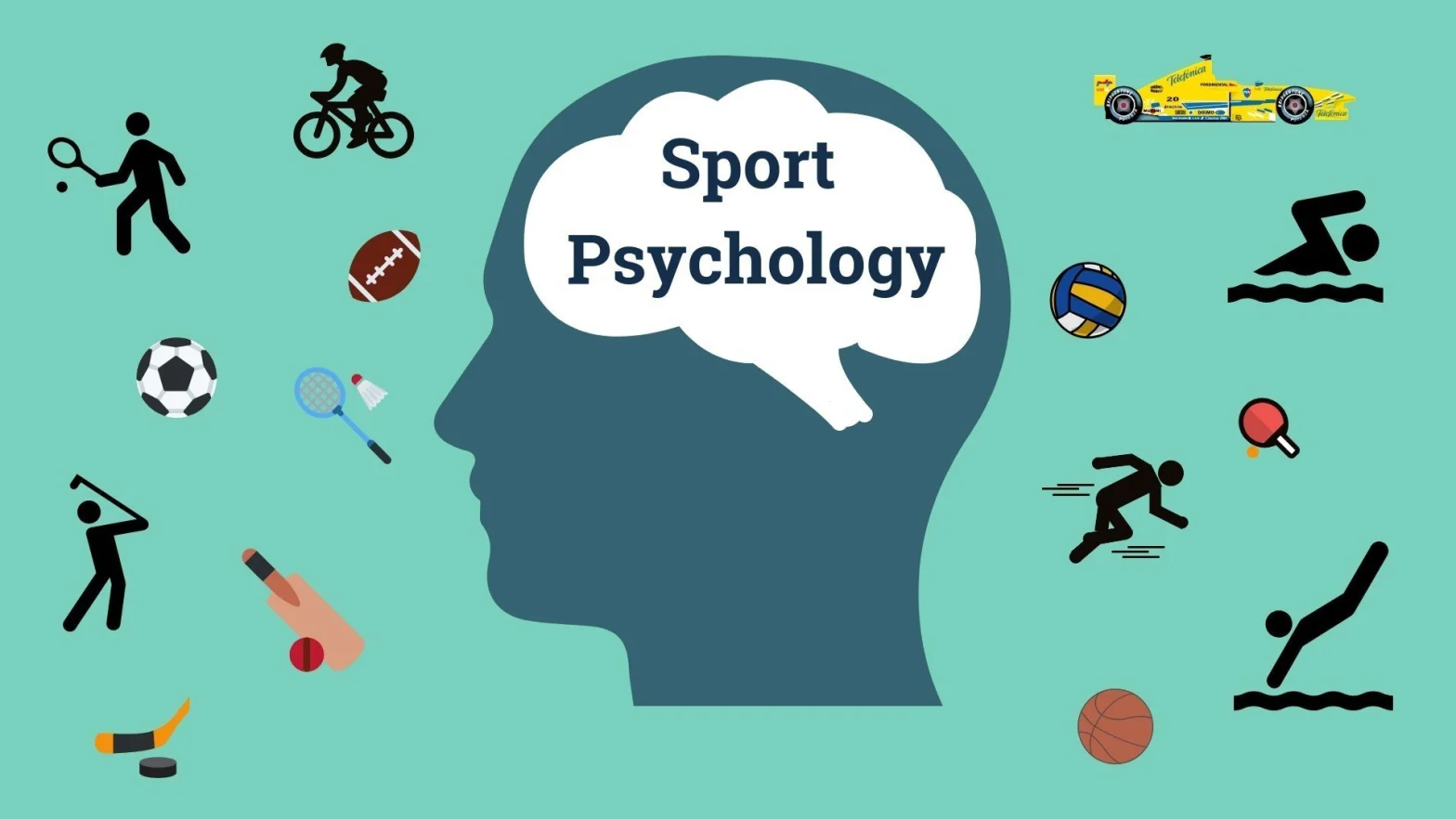
  • The Influence of Sports Psychology on Performance

    The Influence of Sports Psychology on Performance

    Sports psychology is a vital aspect of modern athletics, helping athletes optimize their mental state to perform at their best. While physical training is essential, the mental component plays a significant role in achieving peak performance. This article explores how sports psychology influences athletes and helps them succeed on the field, court, or track.

    1. Enhancing Focus and Concentration

    One of the key areas of sports psychology is helping athletes improve their focus and concentration during competition. Distractions, whether external or internal, can significantly hinder performance. Through various psychological techniques, athletes learn how to block out distractions and maintain concentration during critical moments.

    Techniques to Enhance Focus:

    • Mindfulness: Practicing mindfulness helps athletes stay present and focused during games or competitions.
    • Pre-performance Routines: Many athletes use specific routines to mentally prepare before events, such as visualization or breathing exercises.
    The Influence of Sports Psychology on Performance
    The Influence of Sports Psychology on Performance

    2. Building Mental Resilience

    Mental resilience is the ability to recover from setbacks, stay composed under pressure, and continue performing at a high level even in challenging situations. Sports psychology focuses on building this resilience through positive thinking, reframing negative experiences, and developing mental toughness.

    Ways to Build Resilience:

    • Positive Self-Talk: Encouraging self-talk improves confidence and helps athletes cope with mistakes or failures.
    • Reframing: Reinterpreting failures as learning opportunities fosters a growth mindset and enhances long-term resilience.

    3. Improving Motivation and Confidence

    Motivation and confidence are crucial to an athlete’s success. Sports psychologists work to help athletes set realistic goals, stay motivated during training, and maintain belief in their abilities. Confidence is often linked to an athlete’s perception of their skills, and psychology can help boost self-esteem through mental conditioning.

    Boosting Confidence:

    • Goal Setting: Breaking down long-term goals into achievable short-term milestones helps maintain motivation.
    • Visualization: Imagining successful performances boosts an athlete’s confidence by mentally rehearsing their achievements.

    4. Managing Anxiety and Pressure

    Anxiety is common among athletes, especially in high-pressure situations such as finals, tournaments, or important matches. If left unchecked, anxiety can cause poor performance, often referred to as “choking.” Sports psychology offers techniques to help athletes manage anxiety, stay calm, and perform under pressure.

    Techniques for Managing Anxiety:

    • Breathing Exercises: Deep breathing or controlled breathing exercises help calm nerves and reduce anxiety.
    • Progressive Muscle Relaxation (PMR): Tensing and relaxing muscles helps athletes release tension and stay relaxed before competing.

    5. The Role of Visualization in Success

    Visualization, also known as mental imagery, is one of the most powerful tools in sports psychology. It involves athletes mentally rehearsing their performance, visualizing success, and mentally preparing for competition. Research shows that visualization can enhance motor skills, improve confidence, and reduce anxiety.

    Benefits of Visualization:

    • Improved Motor Skills: Mentally practicing specific movements can help athletes perform them more fluidly in real situations.
    • Reduced Pre-game Anxiety: Athletes who visualize successful performances often feel more prepared and less anxious.

    6. Developing Mental Toughness

    Mental toughness refers to an athlete’s ability to perform under difficult circumstances, such as when they are tired, injured, or facing adversity. Developing this mental fortitude is crucial for success in sports. Sports psychology helps athletes build mental toughness through techniques such as setting personal challenges, improving self-discipline, and learning how to push through pain or discomfort.

    Strategies for Mental Toughness:

    • Embracing Challenges: Athletes are encouraged to view challenges as opportunities for growth rather than obstacles.
    • Consistent Discipline: Daily routines, strict adherence to training, and persistence help athletes strengthen their mental toughness.

    7. Improving Team Dynamics and Communication

    For team sports, psychology plays a key role in improving communication and teamwork. Successful teams rely not only on physical skill but also on strong interpersonal dynamics. Sports psychologists work with teams to enhance communication, build trust, and improve group cohesion.

    Key Elements of Team Dynamics:

    • Role Clarity: Ensuring that each team member understands their role and responsibilities within the group.
    • Trust Building: Developing trust between teammates through open communication and collaborative exercises.

    8. Using Sports Psychology for Recovery

    Injuries are inevitable in sports, and how an athlete mentally approaches their recovery can influence the speed and success of their rehabilitation. Sports psychology helps athletes maintain a positive mindset during recovery, reduce fears of re-injury, and stay motivated throughout the healing process.

    Psychological Approaches to Recovery:

    • Positive Visualization: Athletes are encouraged to visualize themselves returning to full fitness to maintain motivation during recovery.
    • Cognitive Behavioral Therapy (CBT): This technique helps athletes manage negative thoughts about their injury and focus on progress.

    Conclusion

    Sports psychology has a profound influence on an athlete’s ability to perform at their best. By improving focus, building mental resilience, managing anxiety, and boosting confidence, sports psychology equips athletes with the tools needed to succeed. Whether you’re a seasoned professional or an aspiring athlete, incorporating psychological strategies into your training regimen can elevate your performance to new heights.

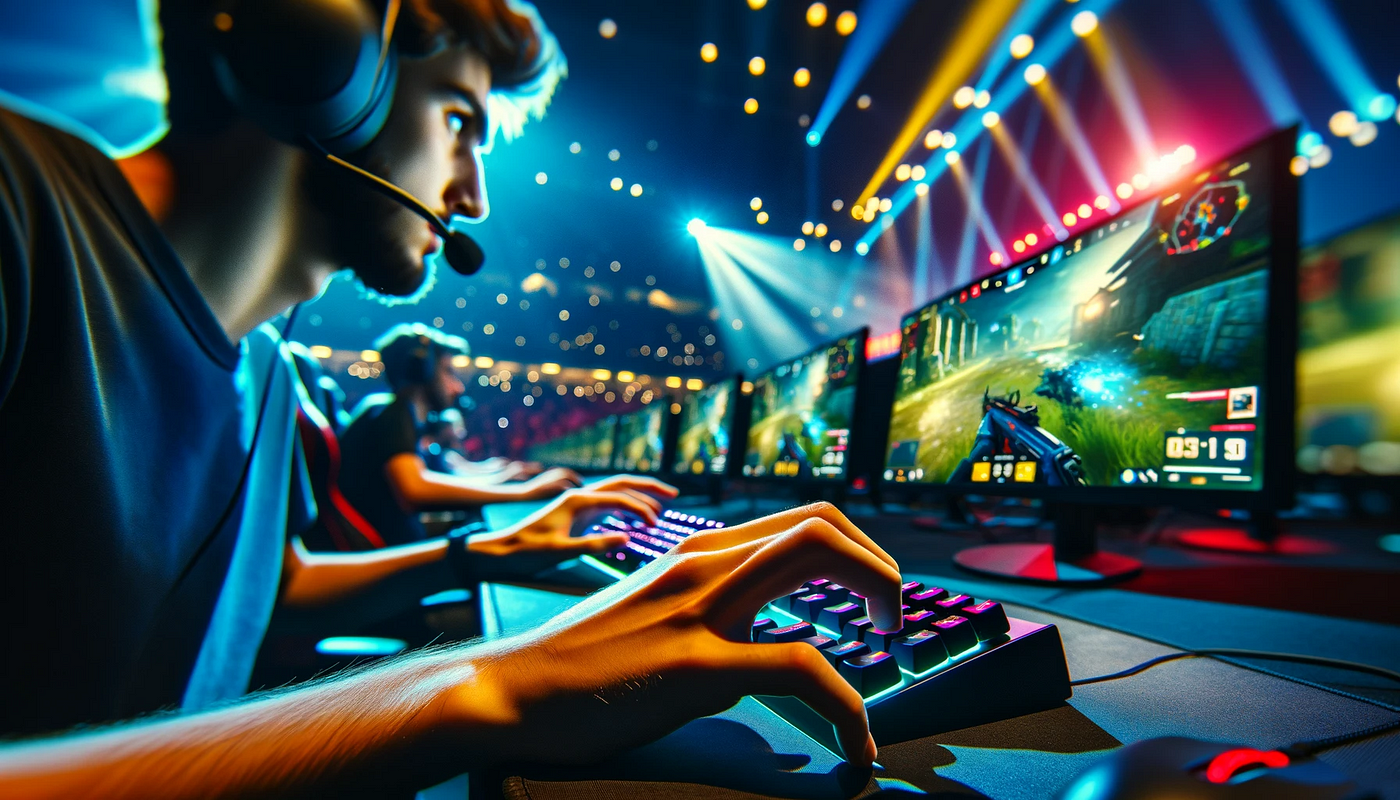
  • The Rise of eSports: A New Frontier in Competitive Gaming

    The Rise of eSports: A New Frontier in Competitive Gaming

    The world of competitive gaming, commonly known as eSports, has evolved from a niche hobby into a global phenomenon. With millions of fans, professional leagues, and significant financial investments, eSports is reshaping the landscape of both entertainment and sports. Here’s a closer look at how eSports has risen to prominence and what the future holds for this dynamic industry.

    1. The Growth of eSports

    From Niche to Mainstream

    eSports has transitioned from casual gaming tournaments to major international events with large audiences and substantial prize pools. What started as small, community-driven competitions has now become a professional industry with global reach.

    Major Tournaments and Leagues

    The rise of eSports has been marked by the establishment of major tournaments and leagues such as The International (Dota 2), League of Legends World Championship, and the Overwatch League. These events attract millions of viewers and offer prize pools in the tens of millions of dollars.

    Investment and Sponsorship

    The growth of eSports has attracted significant investment from venture capitalists, media companies, and traditional sports organizations. Sponsorship deals with major brands and partnerships with broadcasters have further legitimized and expanded the reach of eSports.

    2. The Impact of eSports on the Gaming Industry

    The Rise of eSports: A New Frontier in Competitive Gaming
    The Rise of eSports: A New Frontier in Competitive Gaming

    Shifting the Gaming Landscape

    eSports has significantly altered the gaming industry by elevating competitive gaming to the same level of importance as traditional sports. Game developers are now designing titles with competitive play in mind, creating a new genre of games specifically for eSports.

    Increased Visibility and Professionalization

    The rise of eSports has led to greater visibility for professional gamers and teams. Players can now pursue careers as professional athletes, coaches, analysts, and broadcasters within the eSports ecosystem. This professionalization has also led to the development of specialized training facilities and coaching staff.

    Community and Fan Engagement

    eSports has fostered a passionate and engaged community of fans who support their favorite teams and players. Social media, streaming platforms like Twitch, and dedicated eSports channels provide fans with constant access to live streams, highlights, and behind-the-scenes content.

    3. The Role of Technology in eSports

    Advancements in Streaming and Broadcasting

    Technological advancements have played a crucial role in the rise of eSports. High-quality streaming and broadcasting technology allow fans to watch live matches in high definition, engage with interactive content, and follow their favorite teams and players in real-time.

    Enhanced Game Design and Development

    Game developers are leveraging technology to create immersive and competitive gaming experiences. Innovations in graphics, artificial intelligence, and gameplay mechanics contribute to the growth and evolution of eSports titles.

    Virtual Reality and Augmented Reality

    Emerging technologies like virtual reality (VR) and augmented reality (AR) are poised to impact the future of eSports. These technologies offer new ways to experience and interact with competitive gaming, potentially transforming how fans and players engage with eSports.

    4. The Future of eSports

    Expansion into New Markets

    As eSports continues to grow, it is expanding into new geographic and demographic markets. Countries with emerging gaming cultures are becoming new hubs for eSports, and the industry is attracting a diverse range of players and fans.

    Integration with Traditional Sports

    eSports is increasingly being integrated with traditional sports. Many professional sports teams and leagues are investing in eSports, creating synergies between traditional and competitive gaming. This integration is helping to bridge the gap between sports and eSports fans.

    Educational and Career Opportunities

    The rise of eSports is also creating new educational and career opportunities. Universities are offering degrees and programs focused on eSports management, game design, and broadcasting. Additionally, there are increasing opportunities for careers in marketing, event management, and sports psychology within the eSports industry.

    Regulation and Governance

    As eSports grows, there will likely be a greater focus on regulation and governance. Ensuring fair play, managing player contracts, and addressing issues such as doping and match-fixing will become important as the industry continues to mature.

    Conclusion

    The rise of eSports represents a new frontier in competitive gaming, with significant growth and impact on the gaming industry. From its roots in niche tournaments to its current status as a global phenomenon, eSports is reshaping the way we view and engage with competitive gaming. As technology advances and the industry continues to expand, eSports will likely play an even larger role in the world of entertainment and sports. The future of eSports holds exciting possibilities for players, fans, and the industry as a whole.

  • The Evolution of Sports Technology: Enhancements for Athletes

    The Evolution of Sports Technology: Enhancements for Athletes

    Sports technology has revolutionized the way athletes train, compete, and recover. From cutting-edge equipment to advanced analytics, these innovations have significantly enhanced performance, safety, and the overall sports experience. This article explores the evolution of sports technology and its impact on athletes, highlighting key advancements that have reshaped the industry.

    Wearable Technology

    Wearable technology has become a game-changer in sports, offering athletes valuable insights into their performance and health. Devices such as fitness trackers, smartwatches, and heart rate monitors provide real-time data on metrics like heart rate, calories burned, and sleep patterns. This information helps athletes fine-tune their training regimens and monitor recovery.

    Advanced wearables now include GPS tracking, which allows athletes to analyze their movement patterns, speed, and distance covered. This data is crucial for optimizing training and strategy, particularly in sports like running, cycling, and soccer.

    Performance Analytics

    Performance analytics has transformed how athletes and coaches approach training and competition. By leveraging data analytics, teams can evaluate player performance, track progress, and identify areas for improvement. Technologies such as motion sensors, video analysis, and biomechanical assessments provide detailed insights into technique and movement efficiency.

    For example, in basketball, player tracking systems capture data on shooting accuracy, defensive positioning, and player interactions. This data helps coaches develop tailored training programs and make informed tactical decisions during games.

    The Evolution of Sports Technology
    The Evolution of Sports Technology

    Virtual Reality (VR) and Augmented Reality (AR)

    Virtual Reality (VR) and Augmented Reality (AR) technologies have introduced new ways for athletes to train and prepare for competition. VR simulations allow athletes to practice skills and scenarios in a controlled, immersive environment. This technology is particularly beneficial for sports that require precise timing and decision-making, such as golf and tennis.

    AR technology enhances training by overlaying digital information onto the real world. For instance, AR glasses can display real-time performance metrics or instructional prompts during practice sessions. These technologies help athletes visualize and refine their techniques more effectively.

    Advanced Equipment

    Technological advancements in sports equipment have led to significant improvements in performance and safety. Innovations in materials and design have produced lighter, more durable gear that enhances athlete performance while reducing the risk of injury.

    For example, in cycling, advancements in bike frame materials and aerodynamics have led to faster, more efficient bikes. Similarly, improvements in sports footwear, such as specialized running shoes with enhanced cushioning and support, contribute to better performance and injury prevention.

    Injury Prevention and Rehabilitation

    Sports technology has also advanced injury prevention and rehabilitation processes. Wearable sensors and motion analysis tools help identify biomechanical imbalances and movement patterns that may lead to injuries. This early detection allows for targeted interventions and preventive measures.

    Rehabilitation technology, such as cryotherapy and electrical stimulation devices, aids in the recovery process. These tools help reduce inflammation, alleviate pain, and accelerate healing, allowing athletes to return to competition more quickly and safely.

    Data-Driven Coaching

    Data-driven coaching has become increasingly prevalent in sports, with coaches using advanced analytics to guide training and strategy. Data collection tools and software analyze various performance metrics, providing coaches with actionable insights to enhance team performance.

    Coaches can now use data to monitor player workloads, assess tactical effectiveness, and make real-time adjustments during games. This data-driven approach enables more precise coaching decisions and helps teams gain a competitive edge.

    Enhanced Fan Engagement

    Sports technology has also improved fan engagement, creating a more interactive and immersive experience. Innovations such as live streaming, interactive apps, and virtual stadium tours allow fans to connect with their favorite teams and athletes in new ways.

    Enhanced broadcasting technologies, such as high-definition cameras and 360-degree video, provide fans with a more comprehensive view of the action. Social media platforms and mobile apps offer real-time updates, behind-the-scenes content, and direct interactions with athletes, enriching the overall fan experience.

    Smart Facilities

    The evolution of sports technology extends to the facilities where athletes train and compete. Smart facilities equipped with advanced sensors and automation systems optimize everything from lighting and temperature to crowd management and security.

    For instance, smart gyms use sensors to monitor equipment usage, track workout progress, and ensure maintenance. In stadiums, intelligent systems manage ticketing, concessions, and fan services, creating a seamless experience for attendees.

    Future Trends

    Looking ahead, sports technology is poised to continue evolving with the integration of artificial intelligence (AI), machine learning, and advanced materials. AI algorithms may offer even more personalized training programs and predictive analytics for injury prevention.

    Wearable technology is expected to become more sophisticated, with innovations like biometric sensors that provide deeper insights into an athlete’s health and performance. Additionally, advancements in robotics and exoskeletons could further enhance training and rehabilitation processes.

    Conclusion

    The evolution of sports technology has brought about transformative changes in how athletes train, compete, and recover. From wearable devices and performance analytics to VR simulations and smart facilities, these advancements have enhanced athletic performance, safety, and fan engagement. As technology continues to advance, athletes and sports organizations will benefit from even more innovative solutions that drive progress and success in the world of sports.

  • The Benefits of Cross-Training for Athletes

    The Benefits of Cross-Training for Athletes

    Cross-training involves incorporating various types of exercises and activities into an athlete’s training regimen, beyond their primary sport. For athletes looking to enhance performance, prevent injuries, and maintain motivation, cross-training offers several benefits. It allows athletes to build a well-rounded fitness foundation by engaging different muscle groups and improving overall athleticism. This article explores the numerous advantages of cross-training for athletes.

    Enhances Overall Fitness

    Cross-training introduces different forms of exercise that work on various aspects of fitness—strength, endurance, flexibility, speed, and agility. For example, a runner may incorporate swimming, cycling, or strength training into their routine. By engaging in a range of activities, athletes can develop a more balanced and comprehensive fitness profile. This well-rounded approach helps athletes build stamina, increase muscle strength, and improve cardiovascular health, all of which contribute to better overall performance.

    The Benefits of Cross-Training for Athletes
    The Benefits of Cross-Training for Athletes

    Prevents Overuse Injuries

    Repetitive movements in a single sport can lead to overuse injuries, such as stress fractures, tendonitis, and muscle strains. Cross-training allows athletes to vary their workouts, giving specific muscles and joints a break from repetitive strain. For instance, a basketball player who regularly incorporates yoga into their routine can improve flexibility and reduce the risk of muscle strain. By balancing high-impact exercises with low-impact activities like swimming or cycling, athletes can significantly lower their risk of injuries and extend their careers.

    Promotes Muscle Balance

    Sports that focus heavily on specific muscle groups can lead to imbalances, where certain muscles are overdeveloped while others remain underdeveloped. Cross-training helps address these imbalances by engaging different muscle groups. For example, incorporating strength training into a cyclist’s regimen can help build upper body strength that cycling alone does not provide. Balanced muscle development not only reduces the risk of injury but also enhances overall athletic performance by allowing for more efficient and coordinated movement.

    Boosts Mental Toughness

    Engaging in different types of training challenges athletes both physically and mentally. Cross-training can prevent mental fatigue associated with repetitive routines, keeping training sessions fresh and engaging. Trying new sports or activities pushes athletes out of their comfort zones, helping them build resilience, adaptability, and mental toughness. This psychological variety can be crucial, especially during long seasons or rigorous training blocks, where maintaining motivation is key to success.

    Enhances Recovery

    Athletes need adequate recovery to perform at their best. Cross-training can serve as a form of active recovery by providing a break from the high-intensity or high-impact demands of their primary sport. Low-impact exercises, such as swimming, yoga, or light cycling, can aid in muscle recovery by increasing blood flow, reducing muscle soreness, and promoting relaxation. This approach enables athletes to remain active while allowing their bodies to recover properly.

    Improves Flexibility and Mobility

    Many sports demand a high degree of flexibility and mobility for optimal performance. Cross-training activities like yoga, Pilates, or dynamic stretching can help athletes improve their range of motion and joint flexibility. Enhanced flexibility reduces the risk of injuries and allows athletes to execute movements more efficiently and with greater ease. This is particularly beneficial for sports that require a high degree of agility, such as gymnastics, tennis, or soccer.

    Breaks Through Performance Plateaus

    Athletes often face performance plateaus where they struggle to improve despite consistent training. Cross-training can provide the stimulus needed to break through these plateaus. By introducing new challenges and varying the intensity and type of exercise, athletes can shock their bodies and push their limits. This variation helps prevent adaptation, ensuring continuous improvement and progress.

    Encourages Social Interaction and Teamwork

    Participating in different sports or activities can provide opportunities for social interaction, fostering camaraderie and teamwork. Engaging in group classes, team sports, or community events introduces athletes to new social circles and support networks. This social aspect of cross-training can improve mental well-being and offer a refreshing break from the competitive environment of their primary sport.

    Increases Longevity in Sports

    By reducing the risk of injury, preventing burnout, and promoting overall well-being, cross-training can increase an athlete’s longevity in their sport. Athletes who incorporate varied training techniques are more likely to stay motivated, avoid chronic injuries, and maintain their passion for their sport over the long term. This sustainability is essential for athletes who aim to compete at high levels for many years.

    Conclusion

    Cross-training offers a wide range of benefits for athletes, from improving overall fitness and preventing injuries to enhancing mental toughness and flexibility. By incorporating diverse exercises into their training routines, athletes can become more versatile, resilient, and well-rounded. Whether an athlete is looking to enhance performance, stay motivated, or prolong their career, cross-training proves to be a valuable addition to their regimen. Embracing a cross-training approach helps athletes unlock their full potential and achieve success both in their primary sport and beyond.

  • Analyzing the Impact of Sports on Community Development

    Analyzing the Impact of Sports on Community Development

    Sports have a profound impact on community development, extending far beyond the playing field. They play a crucial role in promoting social cohesion, economic growth, health, and education within communities. From local leagues to large-scale sporting events, sports can bring people together, foster a sense of belonging, and drive positive change. This article explores the various ways sports contribute to community development and why they are integral to building vibrant, healthy, and connected communities.

    Fostering Social Cohesion

    Sports have the unique ability to unite people from diverse backgrounds, cultures, and age groups. By bringing individuals together to play, watch, or support, sports create a sense of community and belonging. Local sports leagues, for example, provide a platform for residents to interact, share experiences, and build friendships. These connections help break down social barriers, reduce prejudice, and promote inclusivity.

    Moreover, sports can serve as a powerful tool for peacebuilding and conflict resolution. In regions affected by conflict or division, sports initiatives can create neutral ground where people can come together, fostering dialogue and understanding. This unifying power of sports can significantly contribute to social stability and harmony within communities.

    Analyzing the Impact of Sports on Community Development
    Analyzing the Impact of Sports on Community Development

    Driving Economic Growth

    Sports are not just a source of entertainment; they also contribute significantly to local economies. Hosting sporting events, whether at the community level or on a larger scale, can lead to increased tourism, job creation, and business opportunities. Local businesses, such as restaurants, hotels, and retail stores, often experience a boost in revenue during sporting events.

    Furthermore, investment in sports infrastructure, such as stadiums, recreational centers, and parks, can create employment opportunities and attract further investments. These developments not only enhance the community’s economic profile but also improve its overall quality of life by providing accessible spaces for physical activity and social gatherings.

    Enhancing Health and Well-Being

    One of the most significant benefits of sports is its positive impact on health and well-being. Regular participation in sports and physical activities helps reduce the risk of chronic diseases, such as obesity, diabetes, and heart disease. It also promotes mental well-being by reducing stress, anxiety, and depression. For communities, having access to sports programs and facilities encourages residents to lead active and healthier lifestyles.

    Community sports programs can be particularly beneficial for youth. They provide a structured environment for young people to engage in physical activity, learn new skills, and develop healthy habits that last a lifetime. These programs can also serve as a preventive measure against negative behaviors, such as substance abuse and delinquency, by offering positive outlets for energy and creativity.

    Promoting Education and Life Skills

    Sports offer valuable opportunities for learning and personal development. Participating in sports teaches essential life skills, such as teamwork, leadership, discipline, and time management. These skills are transferable to other areas of life, including education and employment. Young athletes, for instance, often learn how to balance their academic responsibilities with their sports commitments, which can lead to improved academic performance and future career success.

    Additionally, sports can be used as an educational tool to promote important social values, such as fair play, respect, and empathy. Coaches and mentors play a crucial role in imparting these values to young athletes, helping them grow into responsible and engaged citizens.

    Encouraging Community Engagement and Volunteerism

    Sports events and programs often rely on the support and involvement of community members, from organizing committees to coaching and officiating. This active participation fosters a culture of volunteerism and civic engagement. Volunteers contribute their time, skills, and resources to ensure the success of sports activities, building a sense of ownership and pride in the community.

    Furthermore, community engagement through sports can lead to stronger relationships between residents, local organizations, and government bodies. These collaborations can create a more connected and resilient community, capable of addressing broader social issues and challenges collectively.

    Inspiring Local and Regional Identity

    Sports can help shape and strengthen a community’s identity. Local teams and athletes often become symbols of pride and inspiration for their communities. Their achievements on the field can inspire the next generation and instill a sense of pride in local heritage and culture. This sense of pride can translate into increased community spirit and a more unified approach to local development.

    Large-scale sporting events, such as regional or national tournaments, can also showcase a community’s unique qualities to a broader audience, attracting visitors and boosting local tourism. By promoting a positive image of the community, sports can help build a stronger, more recognizable identity on both local and regional levels.

    Conclusion

    The impact of sports on community development is multifaceted, touching on social, economic, health, educational, and cultural aspects. By fostering social cohesion, driving economic growth, enhancing health and well-being, promoting education, and encouraging community engagement, sports play an essential role in building vibrant and resilient communities. As we continue to recognize the value of sports in community development, it is vital to invest in accessible sports programs and facilities that benefit everyone, creating stronger, healthier, and more connected communities for the future.

  • The Future of Virtual Sports and eSports

    The Future of Virtual Sports and eSports

    The landscape of sports is evolving rapidly, with virtual sports and eSports gaining immense popularity worldwide. What was once considered a niche segment is now a global phenomenon, with millions of fans, professional leagues, and massive prize pools. As technology continues to advance, the future of virtual sports and eSports looks brighter than ever. This article explores the factors driving their growth and what the future holds for these digital sports arenas.

    The Rise of Virtual Sports and eSports

    Virtual sports and eSports have grown exponentially over the past decade. Virtual sports involve simulated sports events created by computer software, offering an experience similar to real-life sports. On the other hand, eSports refer to competitive video gaming, where professional players or teams compete against each other in various games such as “League of Legends,” “Dota 2,” “Counter-Strike,” and “Fortnite.” Several factors contribute to their rise:

    1. Technological Advancements: Improved graphics, artificial intelligence, and real-time data processing have enhanced the realism of virtual sports, making them more engaging for audiences. For eSports, advancements in internet speed, streaming platforms, and gaming hardware have enabled smoother gameplay and wider access to global audiences.
    2. Accessibility and Inclusivity: Unlike traditional sports, which may require specific physical abilities or conditions, eSports and virtual sports are accessible to anyone with an internet connection and a gaming device. This inclusivity has opened the door for diverse participation, attracting a broader demographic.
    3. Growing Professional Scene and Sponsorships: The professional eSports scene is now akin to traditional sports, with leagues, teams, sponsorships, and large-scale tournaments. High-profile companies are increasingly investing in eSports sponsorships, recognizing the immense potential of reaching younger, tech-savvy audiences.
    The Future of Virtual Sports and eSports
    The Future of Virtual Sports and eSports

    Integration of Augmented Reality (AR) and Virtual Reality (VR)

    The future of virtual sports and eSports will be significantly shaped by augmented reality (AR) and virtual reality (VR). These technologies are poised to take immersion and interactivity to a whole new level:

    • Virtual Reality in eSports: VR technology allows players to be part of the game environment, offering a more immersive experience. As VR headsets become more affordable and accessible, we can expect VR-based eSports leagues and tournaments to emerge, providing unique experiences to both players and viewers.
    • Augmented Reality in Virtual Sports: AR can enhance the viewer experience by overlaying digital elements onto real-world environments. For example, AR can provide real-time stats, interactive replays, and enhanced graphics during virtual sports broadcasts, making the experience more engaging.

    The Role of Artificial Intelligence (AI) and Machine Learning

    AI and machine learning are revolutionizing the way virtual sports and eSports are played and consumed:

    • Smarter Opponents and Realistic Simulations: In virtual sports, AI-powered opponents are becoming more sophisticated, providing more challenging and realistic gameplay. Machine learning algorithms can adapt to a player’s style, creating more dynamic and personalized gaming experiences.
    • Data-Driven Performance Analytics: AI can provide deep insights into player performance in eSports, allowing for more refined strategies and gameplay. AI-driven analytics can also be used by commentators and analysts to provide a more informed and engaging broadcast for audiences.

    The Growth of Betting and Fantasy Leagues

    As virtual sports and eSports gain legitimacy and popularity, betting and fantasy leagues are becoming integral parts of the ecosystem:

    • eSports Betting: The growth of eSports betting platforms is evident, with more fans engaging in wagering on their favorite teams and players. This trend is set to continue, with more regulations being put in place to ensure fair and transparent betting practices.
    • Virtual Sports Betting: Virtual sports, with their fast-paced and constant action, have become a favorite for betting enthusiasts. The quick turnaround of virtual sports events allows for frequent betting opportunities, attracting a growing audience.

    The Future of Broadcasting and Spectatorship

    The future of virtual sports and eSports will also see a transformation in how games are broadcasted and consumed:

    • Interactive Broadcasting: Platforms like Twitch and YouTube have already revolutionized how audiences consume eSports content. The future will see more interactive features, such as real-time voting, multiple camera angles, and live commentary from fans, making the viewing experience more participatory.
    • Immersive Spectator Experiences: With advancements in VR and AR, spectators can potentially “enter” the game environment, experiencing matches from the perspective of their favorite players or exploring the virtual stadium. This level of immersion could redefine the fan experience, making it more engaging and memorable.

    New Opportunities for Brands and Sponsorships

    The future of virtual sports and eSports presents new avenues for brands to connect with audiences:

    • Virtual Advertisements and Product Placements: Brands can explore innovative ways of advertising, such as virtual billboards, digital apparel, and interactive product placements within games. This could offer a more organic and engaging way of reaching audiences compared to traditional advertising.
    • Sponsorships and Partnerships: As the audience for virtual sports and eSports continues to grow, more brands will see the value in sponsoring teams, players, and events. These partnerships can provide significant exposure and brand loyalty among younger, tech-savvy consumers.

    Conclusion

    The future of virtual sports and eSports is bright, driven by technological advancements, growing professionalization, and expanding opportunities for engagement. As AR, VR, AI, and data analytics continue to evolve, the boundaries between virtual and physical sports will blur. Therefore, creating new and exciting experiences for both players and spectators. The future promises a more immersive, interactive, and inclusive world of digital sports, with endless possibilities for growth and innovation.

  • How to Stay Motivated During Off-Season Training

    How to Stay Motivated During Off-Season Training

    The off-season can be a challenging time for athletes. Without the adrenaline rush of competition, it can be difficult to stay motivated and focused. However, the off-season is a crucial period for maintaining fitness, improving skills, and preparing for the next competitive season. With the right mindset and strategies, athletes can stay motivated and make the most of their off-season training.

    Set Clear and Achievable Goals

    One of the most effective ways to stay motivated during the off-season is to set clear, specific, and achievable goals. These goals should be both short-term and long-term to provide a sense of direction and purpose. For example, instead of a vague goal like “get stronger,” set a specific goal such as “increase my bench press by 10 pounds in three months.” By breaking down goals into smaller, manageable steps, athletes can track their progress and stay motivated as they achieve each milestone.

    How to Stay Motivated During Off-Season Training
    How to Stay Motivated During Off-Season Training

    Create a Structured Training Plan

    A well-structured training plan can make off-season workouts more focused and enjoyable. The plan should include a mix of strength training, cardio, flexibility exercises, and sport-specific drills. Having a routine helps athletes stay disciplined and ensures that every training session has a purpose. Additionally, incorporating variety into the training plan can prevent monotony and keep things interesting. This could include trying new workouts, cross-training with other sports, or even joining a group fitness class.

    Find a Training Partner or Join a Group

    Training with a partner or group can significantly boost motivation. Having someone to train with creates accountability and encourages athletes to push themselves harder. A training partner can also provide support and encouragement on days when motivation is low. Moreover, joining a group or team environment can make training sessions more fun and foster a sense of camaraderie. Surrounding oneself with like-minded individuals who share similar goals can be incredibly motivating.

    Focus on Skill Development

    The off-season is an excellent time to focus on developing specific skills that might get overlooked during the competitive season. Whether it’s working on agility, improving footwork, or mastering a new technique, dedicating time to skill development can be both motivating and rewarding. Seeing progress in these areas not only boosts confidence but also adds variety to the training routine, making it more engaging.

    Maintain a Positive Mindset

    Staying motivated during the off-season often comes down to maintaining a positive mindset. It’s easy to become complacent without the immediate pressure of competition, but athletes should focus on the bigger picture. The off-season is a valuable opportunity to rest, recover, and come back stronger. Practicing gratitude, visualization, and positive self-talk can help athletes stay focused on their long-term goals and maintain a positive attitude throughout their training.

    Mix Up the Training Environment

    Sometimes, a change of scenery can be a great motivator. Training in the same environment day in and day out can become monotonous. To keep things fresh, athletes can try working out in different locations, such as a park, beach, or a different gym. Outdoor workouts, in particular, can be invigorating and offer a change of pace from the usual indoor sessions. Changing the training environment can bring new energy and motivation to the off-season routine.

    Reward Yourself for Progress

    Recognizing and rewarding progress, no matter how small, can help maintain motivation. Setting up a reward system, such as treating oneself to a new piece of equipment, a relaxing massage, or a cheat meal after reaching a specific goal, can provide an extra incentive to stay committed. Celebrating these achievements helps build a positive association with training and reinforces the effort being put in during the off-season.

    Stay Mentally Engaged with the Sport

    Staying connected to the sport mentally is just as important as staying physically active. Athletes can watch videos, study strategies, or follow their favorite athletes to stay inspired and motivated. Engaging in mental training techniques, such as visualization or mindfulness, can also help athletes prepare mentally for the upcoming season. These activities keep the passion for the sport alive, even during the off-season.

    Use Technology for Motivation

    Technology can be a powerful tool for staying motivated. Fitness apps, wearable devices, and online training programs can provide structure, track progress, and even offer virtual competitions. Many apps allow athletes to set goals, monitor their workouts, and connect with others, creating a sense of community and accountability. Additionally, using social media to share progress or challenges can provide external motivation and encouragement from peers.

    Conclusion

    Finally, it is essential to remember the bigger picture. The off-season is not just a break; it’s an opportunity to improve, build strength, and prepare for future challenges. Keeping this in mind can help athletes stay focused and motivated, even when training gets tough. Understanding that every session, no matter how small, contributes to overall progress can provide the motivation needed to keep pushing forward.