Category: Family

  • Tips for Balancing Screen Time and Family Activities

    Tips for Balancing Screen Time and Family Activities

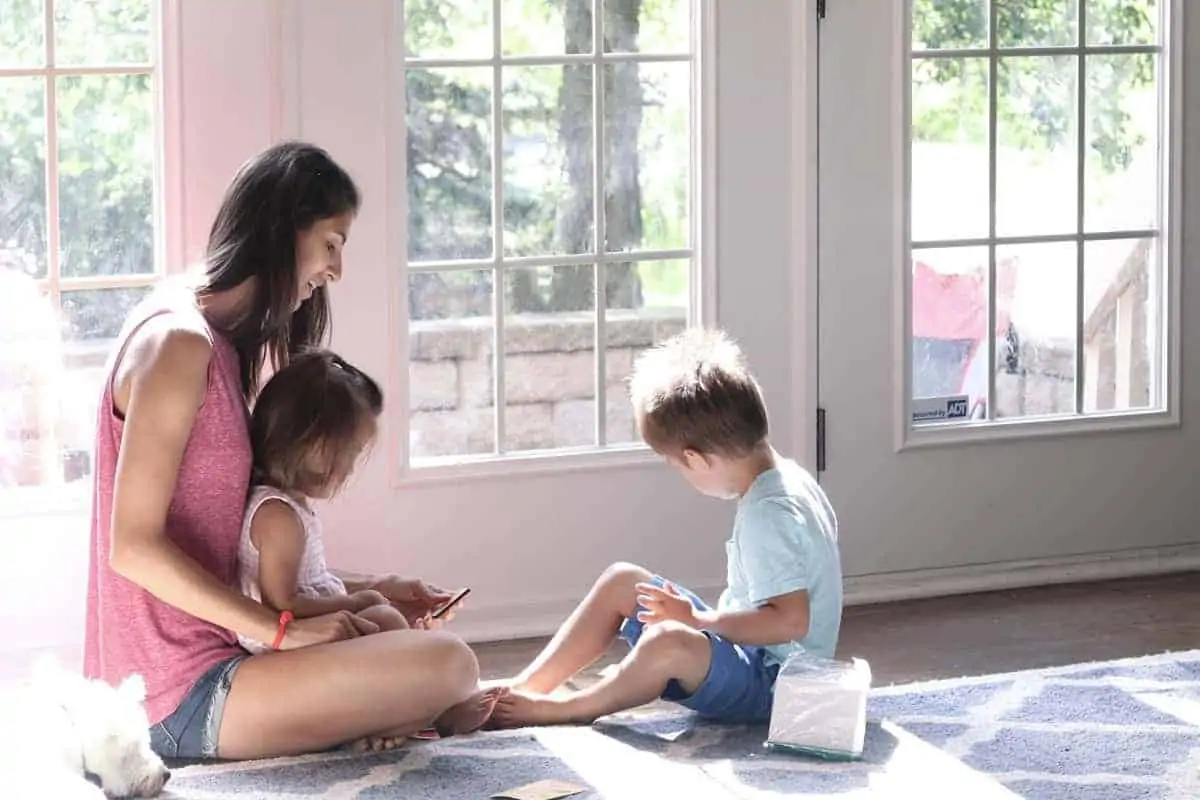
    In today’s digital age, managing screen time for both adults and children has become a major challenge. While technology offers convenience and entertainment, spending too much time in front of screens can negatively affect family bonding and overall health. Finding the right balance between screen time and family activities is crucial for fostering strong relationships and creating a healthy lifestyle. Here are some tips to help you strike that balance.

    1. Set Clear Screen Time Boundaries

    Establishing specific rules around screen time for all family members can prevent overuse. Create guidelines for when and how screens can be used. This could include limiting screen use during meals, before bedtime, or setting a daily limit on how much time is spent on devices.

    Examples of Screen Time Boundaries:

    • No screens during dinner: Encourage conversation and bonding by making mealtimes device-free.
    • Set daily limits: Use apps or built-in settings to monitor and limit screen time for kids and adults alike.
    • Screen-free zones: Designate areas in your home, like bedrooms or living rooms, as screen-free zones.

    These boundaries help create more opportunities for quality family time.

    2. Schedule Regular Family Activities

    Planning regular family activities that don’t involve screens encourages family members to spend more time together. Activities such as board games, outdoor adventures, or even simple walks can help foster connections and reduce reliance on devices for entertainment.

    Activity Ideas:

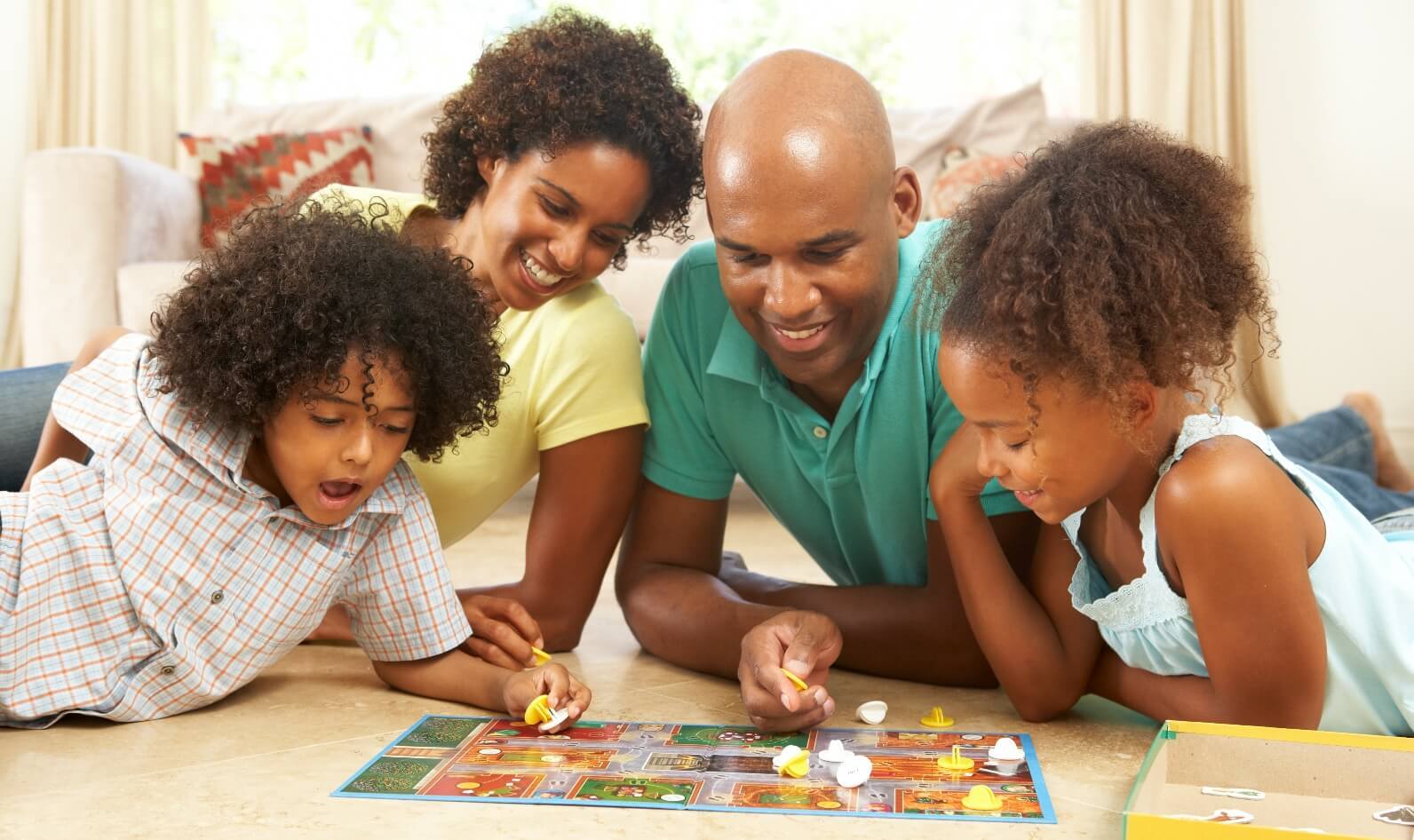
    • Game nights: Organize weekly board or card game nights where everyone can participate.
    • Outdoor adventures: Plan weekend hikes, picnics, or bike rides to enjoy nature and physical activity.
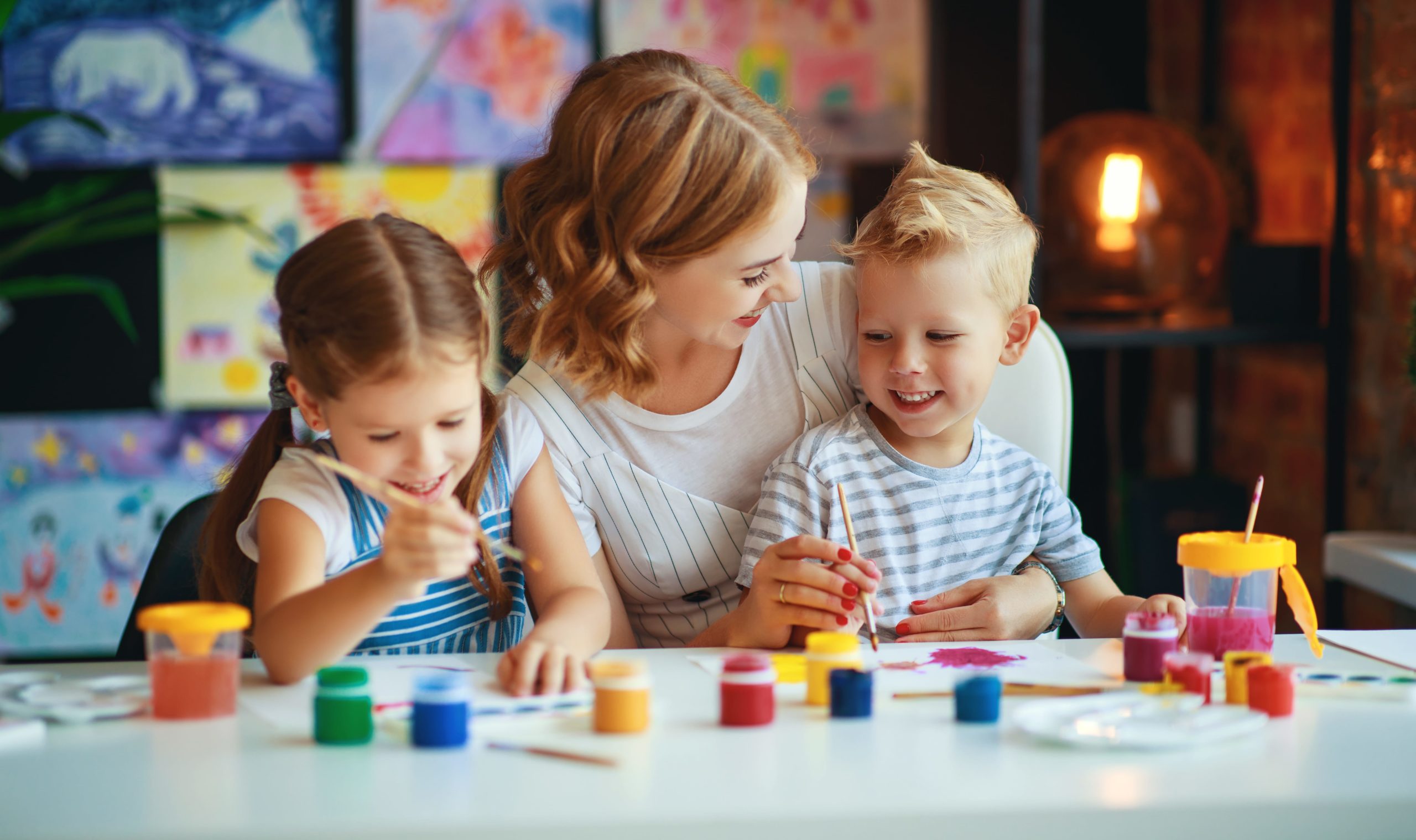
    • Creative projects: Work together on a family art or craft project, like building something or painting.

    Making family activities a part of your routine can create meaningful moments and memories.

    Tips for Balancing Screen Time and Family Activities
    Tips for Balancing Screen Time and Family Activities

    3. Be a Role Model

    Children tend to mimic the behavior of their parents. If you want to encourage less screen time, it’s important to lead by example. Show your kids that there are other ways to unwind and relax that don’t involve technology.

    Ways to Model Healthy Screen Habits:

    • Put your phone away: When spending time with your family, keep your phone out of sight to focus on being present.
    • Engage in hobbies: Show your children the value of non-screen hobbies like reading, cooking, or gardening.
    • Balance work and leisure: Demonstrate the importance of taking breaks from screens, especially if you work from home.

    By modeling healthy habits, you set a positive example that encourages balance.

    4. Incorporate Screen Time into Family Activities

    Not all screen time has to be solitary. Use technology to bring the family together by incorporating it into joint activities. This can be especially useful when trying to find a compromise between screen time and family bonding.

    Joint Screen Time Ideas:

    • Family movie nights: Instead of everyone watching separate shows, pick a movie to watch as a family and discuss it afterward.
    • Video games: Play family-friendly video games together to create a fun, interactive experience.
    • Educational apps: Use apps that encourage learning or creativity, like digital puzzles, trivia games, or virtual tours of museums.

    By making screen time a shared experience, you can create family moments that involve technology without sacrificing connection.

    5. Encourage Outdoor and Physical Activities

    Physical activities offer a great way to limit screen time while promoting health and wellness. Encourage your family to get outside, play sports, or engage in physical play that doesn’t involve technology.

    Outdoor Activity Suggestions:

    • Sports: Organize family games of soccer, basketball, or tennis to get everyone moving.
    • Walks or bike rides: Take a walk around the neighborhood or plan a family bike ride.
    • Park visits: Go to a local park where kids can run, play, and enjoy nature.

    Physical activities help combat the sedentary lifestyle that often accompanies too much screen time.

    6. Create a Family Calendar of Events

    A family calendar filled with events and activities can help prioritize family time over screen time. Involve everyone in the planning process so that each family member has something to look forward to and participates in choosing the activities.

    Calendar Ideas:

    • Weekend outings: Plan a weekly outing, whether it’s visiting a museum, going bowling, or exploring a new park.
    • Monthly challenges: Set up monthly family challenges, such as learning a new skill together or cooking a meal as a team.
    • Celebrations and holidays: Use the calendar to mark special occasions or holidays for family gatherings and activities.

    Having a calendar in place encourages more engagement with one another and less screen-focused entertainment.

    7. Create Tech-Free Rituals

    Introducing tech-free rituals can help you carve out specific times for family connection without any distractions. Whether it’s a nightly bedtime routine or a Sunday morning breakfast, creating these rituals allows the family to spend meaningful time together without the interruption of screens.

    Tech-Free Ritual Ideas:

    • Morning and bedtime routines: Start and end the day with device-free time for reflection, conversation, or reading.
    • Weekend brunch: Dedicate a time for family brunch with no screens, where everyone can share their thoughts on the week.
    • Daily check-ins: Have regular tech-free conversations to talk about each family member’s day, challenges, and achievements.

    These small moments of connection add up and can strengthen family bonds.

    8. Use Technology to Educate About Screen Time

    Teaching your children about the impact of excessive screen time is important for developing self-discipline. Use technology itself to show the potential downsides of overuse, such as its impact on sleep, social skills, and physical health.

    Tips for Educating About Screen Time:

    • Watch documentaries: There are plenty of documentaries and videos that explain the science behind screen addiction and its effects.
    • Set up reminders: Use apps that send reminders when it’s time to take a break from screens.
    • Discuss consequences: Have open discussions with your children about how too much screen time affects their health and relationships.

    By educating your family about responsible screen use, you can help foster better habits.

    Conclusion

    Finding the right balance between screen time and family activities can be challenging, but it’s essential for fostering healthy relationships and promoting a more active lifestyle. By setting boundaries, scheduling family activities, and modeling healthy screen habits, you can create an environment where quality family time thrives alongside responsible screen use.

  • How to Host the Perfect Game Night with Family and Friends

    How to Host the Perfect Game Night with Family and Friends

    Hosting a game night is a fantastic way to bring family and friends together for an evening of fun, laughter, and friendly competition. Whether you’re celebrating a special occasion or just looking for a great way to spend time with loved ones, a well-planned game night can create lasting memories. Here’s how to host the perfect game night with family and friends.


    1. Plan Ahead

    Choose the Date and Time

    Select a date and time that works for everyone. Consider the schedules of your guests and aim for a time when they can all relax and enjoy themselves.

    Send Invites

    Send out invitations well in advance. You can use digital invites or traditional paper ones. Be sure to include all necessary details, such as the date, time, location, and any special instructions.

    How to Host the Perfect Game Night with Family and Friends
    How to Host the Perfect Game Night with Family and Friends

    2. Select the Right Games

    Know Your Audience

    Choose games that cater to the interests and age groups of your guests. Consider a mix of board games, card games, and party games to keep everyone engaged.

    Popular Game Choices

    • Board Games: Codenames, Settlers of Catan, Ticket to Ride
    • Card Games: Uno, Cards Against Humanity, Exploding Kittens
    • Party Games: Charades, Pictionary, Trivia Games

    3. Create a Comfortable Environment

    Set Up the Space

    Arrange seating to accommodate all your guests comfortably. Ensure there’s enough room for everyone to participate and move around.

    Decorate for the Occasion

    Create a fun atmosphere with simple decorations. Consider a theme for the night, such as retro games or a holiday theme, and incorporate it into your décor.

    4. Prepare Snacks and Drinks

    Choose a Variety of Snacks

    Offer a range of snacks to suit different tastes. Consider easy-to-eat options like chips, pretzels, and finger foods. Don’t forget to include some healthier choices as well.

    Offer Drinks

    Provide a selection of beverages, including both non-alcoholic and alcoholic options. You can also create a signature cocktail or mocktail to add a special touch.

    5. Organize a Tournament or Team Play

    Create a Tournament Bracket

    If you’re playing competitive games, set up a tournament bracket to keep track of winners and ensure fair play.

    Form Teams

    For team-based games, divide your guests into teams. This can add an extra layer of excitement and encourage interaction among participants.

    6. Keep the Energy Up

    Rotate Games

    To maintain interest and excitement, rotate between different games throughout the night. This keeps the experience fresh and engaging for everyone.

    Encourage Participation

    Foster a positive and inclusive environment by encouraging everyone to participate and have fun. Avoid overly competitive behavior and focus on enjoyment.

    7. Capture the Memories

    Take Photos

    Document the fun with photos. Capture candid moments, group shots, and action shots during the games. These photos can be great for sharing with guests after the event.

    Create a Memory Jar

    Consider setting up a memory jar where guests can write down their favorite moments from the night. This can be a fun keepsake for everyone.

    8. Consider Special Touches

    Themed Costumes

    Encourage guests to dress according to the theme of the game night. This adds an extra element of fun and makes the evening more memorable.

    Customized Prizes

    Offer small prizes or awards for winners of games or for participants who show great spirit. This could be something simple like a trophy or a fun, game-related gift.

    9. Plan for All Ages

    Family-Friendly Options

    If you have guests of all ages, ensure there are games suitable for children and adults. Keep younger kids entertained with simpler games or activities.

    Adjust Game Difficulty

    For mixed-age groups, adjust the difficulty of games to ensure everyone can participate and enjoy the fun.

    10. Wrap Up with a Thank You

    Show Appreciation

    At the end of the night, thank your guests for coming and participating. Consider sending a follow-up message or note expressing your gratitude.

    Solicit Feedback

    Ask for feedback on what worked well and what could be improved for future game nights. This helps you refine your hosting skills for next time.


    Conclusion

    Hosting the perfect game night involves careful planning, thoughtful preparation, and creating an enjoyable atmosphere for all your guests. By choosing the right games, setting up a comfortable environment, and keeping the energy high, you can ensure a memorable and fun-filled evening. With these tips, you’re well on your way to hosting a fantastic game night that will be talked about long after the last game is played.

  • The Benefits of a Balanced Diet for Overall Health

    The Benefits of a Balanced Diet for Overall Health

    Maintaining a balanced diet is crucial for overall health and well-being. A balanced diet provides the body with essential nutrients, supports various bodily functions, and helps prevent chronic diseases. By incorporating a variety of foods from different food groups, individuals can ensure they are meeting their nutritional needs and promoting optimal health. This article explores the numerous benefits of a balanced diet and how it contributes to overall well-being.

    Supports Healthy Growth and Development

    A balanced diet is fundamental for healthy growth and development, especially in children and adolescents. Essential nutrients such as vitamins, minerals, proteins, and healthy fats are crucial for the development of bones, muscles, and organs. For growing children, a diet rich in fruits, vegetables, whole grains, and lean proteins supports proper physical and cognitive development.

    For adults, a balanced diet helps maintain muscle mass, bone density, and overall vitality. Proper nutrition supports the body’s ability to repair and regenerate tissues, ensuring long-term health and well-being.

    Enhances Immune Function

    A well-balanced diet strengthens the immune system, which is essential for fighting off infections and illnesses. Nutrients like vitamin C, vitamin D, zinc, and antioxidants play a significant role in supporting immune function. Foods such as citrus fruits, leafy greens, nuts, and seeds provide these vital nutrients and help boost the body’s defenses.

    Consuming a variety of nutrient-dense foods helps ensure that the immune system has the resources it needs to function optimally. A strong immune system reduces the risk of chronic diseases and helps the body recover more quickly from illnesses.

    The Benefits of a Balanced Diet for Overall Health
    The Benefits of a Balanced Diet for Overall Health

    Promotes Heart Health

    A balanced diet plays a crucial role in maintaining heart health and reducing the risk of cardiovascular diseases. Foods that are rich in omega-3 fatty acids, such as fish, nuts, and seeds, help lower levels of bad cholesterol (LDL) and reduce inflammation. Additionally, consuming whole grains, fruits, and vegetables provides fiber that supports healthy blood pressure and cholesterol levels.

    Reducing intake of saturated and trans fats, found in processed foods and fried items, further supports heart health. By focusing on heart-healthy foods, individuals can improve their overall cardiovascular health and reduce the risk of heart disease.

    Supports Digestive Health

    A balanced diet supports healthy digestion and can help prevent digestive issues such as constipation, bloating, and irritable bowel syndrome (IBS). Foods rich in dietary fiber, such as fruits, vegetables, whole grains, and legumes, promote regular bowel movements and support a healthy gut microbiome.

    Adequate fiber intake also helps regulate blood sugar levels and supports overall metabolic health. A healthy digestive system ensures that the body efficiently absorbs nutrients from food and eliminates waste products effectively.

    Regulates Weight and Prevents Obesity

    Maintaining a balanced diet is essential for regulating weight and preventing obesity. Consuming a variety of nutrient-dense foods helps control appetite and reduces the likelihood of overeating. High-fiber foods, such as vegetables, fruits, and whole grains, promote satiety and help manage hunger.

    Balancing calorie intake with physical activity is also crucial for maintaining a healthy weight. A diet that includes appropriate portions of carbohydrates, proteins, and fats supports metabolism and energy levels, making it easier to manage body weight and prevent obesity-related health issues.

    Boosts Mental Health and Cognitive Function

    Nutrition has a significant impact on mental health and cognitive function. Certain nutrients, such as omega-3 fatty acids, B vitamins, and antioxidants, support brain health and improve mood. Foods like fatty fish, nuts, berries, and leafy greens provide these essential nutrients.

    A balanced diet also helps regulate blood sugar levels, which can affect mood and cognitive performance. Consuming a variety of nutrient-rich foods supports brain function, enhances memory, and reduces the risk of mental health disorders such as depression and anxiety.

    Promotes Healthy Skin and Hair

    A balanced diet contributes to healthy skin and hair by providing essential vitamins and minerals. Nutrients such as vitamins A, C, E, and biotin play a crucial role in maintaining skin elasticity, hydration, and overall appearance. Foods like carrots, oranges, and avocados offer these benefits.

    Additionally, healthy fats from sources such as nuts, seeds, and fish support scalp health and promote shiny, strong hair. A diet rich in antioxidants helps protect the skin from damage caused by environmental factors, such as UV radiation and pollution.

    Supports Optimal Sleep

    Nutrition can influence sleep quality and overall restfulness. A balanced diet that includes foods rich in tryptophan, magnesium, and melatonin can help regulate sleep patterns and improve sleep quality. Foods like turkey, almonds, and cherries are known to support better sleep.

    Avoiding heavy, spicy, or caffeine-rich foods close to bedtime can also improve sleep quality. Maintaining a healthy diet supports the body’s natural sleep-wake cycle, leading to more restful and restorative sleep.

    Encourages Healthy Bone Density

    Adequate intake of calcium and vitamin D is essential for maintaining healthy bone density and preventing conditions such as osteoporosis. Foods like dairy products, leafy greens, and fortified cereals provide these vital nutrients.

    Weight-bearing exercises, combined with a diet rich in bone-supporting nutrients, contribute to optimal bone health. A balanced diet that supports bone density helps prevent fractures and supports overall skeletal health.

    Conclusion

    A balanced diet is fundamental for overall health and well-being. By providing essential nutrients, supporting various bodily functions, and preventing chronic diseases, a well-rounded diet contributes to physical, mental, and emotional health. Incorporating a variety of nutrient-dense foods from different food groups ensures that the body receives the resources it needs to function optimally. Prioritizing a balanced diet not only enhances quality of life but also supports long-term health and vitality.

  • Tips for Handling Family Conflicts Constructively

    Tips for Handling Family Conflicts Constructively

    Family conflicts are inevitable. With different personalities, opinions, and life experiences within a family, disagreements are bound to arise. However, handling these conflicts constructively is key to maintaining healthy relationships and a positive home environment. Constructive conflict resolution not only strengthens family bonds but also teaches valuable life skills such as communication, empathy, and problem-solving. Here are several tips for handling family conflicts in a constructive and positive way.

    Encourage Open Communication

    Open communication is essential for resolving conflicts constructively. Encourage all family members to express their thoughts, feelings, and concerns openly and honestly. Active listening is equally important; when someone speaks, others should listen without interrupting and show empathy toward their perspective.

    Creating a safe and non-judgmental environment where everyone feels comfortable sharing can help prevent misunderstandings and resentment from building up. Regular family meetings or discussions can provide a platform for addressing issues before they escalate.

    Focus on the Issue, Not the Person

    When conflicts arise, it’s easy to become defensive or attack the other person’s character. However, focusing on the issue at hand rather than the individual is crucial for constructive conflict resolution. Avoid blaming, name-calling, or bringing up past grievances that are unrelated to the current conflict.

    Instead, address the specific behavior or situation that caused the conflict and discuss how it can be resolved. This approach helps keep the discussion productive and prevents hurt feelings and further conflict.

    Tips for Handling Family Conflicts Constructively
    Tips for Handling Family Conflicts Constructively

    Practice Empathy and Understanding

    Empathy plays a vital role in resolving conflicts constructively. Try to understand the other person’s perspective and feelings. Even if you disagree, acknowledging their emotions and experiences shows respect and willingness to find a resolution.

    Practicing empathy can help de-escalate tense situations and foster mutual understanding. Encourage family members to use “I” statements (e.g., “I feel hurt when…”) to express their emotions, rather than “you” statements that may come across as accusatory.

    Set Boundaries and Rules for Conflict Resolution

    Having clear boundaries and rules for conflict resolution can help keep discussions constructive. Establish guidelines for how family members should communicate during conflicts, such as no yelling, no interrupting, and no personal attacks. These rules ensure that everyone feels respected and that the focus remains on finding a solution.

    Setting a time limit for discussions can also be helpful to prevent conflicts from dragging on and becoming more emotionally charged. If emotions run high, take a break and return to the conversation when everyone feels calmer.

    Find Common Ground

    Finding common ground is a key step in resolving conflicts. Look for areas of agreement or shared interests that can serve as a foundation for compromise. Acknowledging these commonalities can help reduce tension and create a sense of unity, making it easier to work toward a mutually beneficial resolution.

    Encourage family members to brainstorm solutions together and consider each person’s needs and preferences. The goal is to find a resolution that everyone can accept, even if it requires compromise from all parties involved.

    Keep Calm and Manage Emotions

    Staying calm during conflicts is easier said than done, but it is essential for constructive resolution. When emotions run high, it’s easy to say things that we don’t mean, which can escalate the conflict further. Encourage family members to take deep breaths, pause, and think before responding.

    If a conflict becomes too heated, it may be helpful to take a break and return to the conversation when everyone is calmer. This time-out can prevent the situation from getting out of control and allow everyone to reflect on their thoughts and emotions.

    Use Humor Wisely

    Humor can be an effective tool for defusing tension and easing the mood during conflicts. A light-hearted comment or a shared laugh can help break the ice and remind everyone that they are on the same team. However, it’s important to use humor wisely and ensure that it doesn’t come across as dismissive or mocking.

    Humor should never be used to belittle someone’s feelings or make light of the conflict itself. When used appropriately, it can be a valuable tool for reducing tension and opening up lines of communication.

    Involve a Neutral Third Party if Needed

    In some cases, conflicts may become too intense or emotionally charged for family members to resolve on their own. In such situations, involving a neutral third party, such as a family counselor, therapist, or mediator, can be beneficial. A neutral party can provide an objective perspective and help facilitate healthy communication and resolution.

    Professional guidance can be especially helpful in addressing deeper-rooted conflicts or patterns of behavior that may require more in-depth exploration and understanding.

    Focus on Solutions, Not Blame

    A constructive approach to conflict resolution involves focusing on solutions rather than assigning blame. Once everyone has had the opportunity to express their concerns, shift the conversation toward finding ways to address the issue. Encourage family members to work together to come up with practical and actionable solutions.

    The goal is to create a win-win situation where everyone feels heard and respected, and the underlying issues are resolved in a way that benefits the entire family.

    Learn from Each Conflict

    Every conflict presents an opportunity for growth and learning. Encourage family members to reflect on what they’ve learned from the conflict and how they can apply those lessons in the future. Identifying patterns, triggers, and areas for improvement can help prevent similar conflicts from arising and promote healthier communication and relationships.

    Constructive conflict resolution teaches valuable skills such as empathy, active listening, compromise, and emotional regulation. By approaching conflicts as opportunities for growth, families can strengthen their bonds and create a more supportive and harmonious home environment.

    Conclusion

    Handling family conflicts constructively is crucial for maintaining healthy relationships and a positive home atmosphere. By encouraging open communication, practicing empathy, setting clear boundaries, and focusing on solutions, families can navigate conflicts in a way that strengthens their connections and fosters growth. With patience, understanding, and a commitment to resolving conflicts constructively, families can turn disagreements into opportunities for deeper understanding and unity.

  • The Benefits of Having Regular Family Dinners Together

    The Benefits of Having Regular Family Dinners Together

    In today’s fast-paced world, finding time for regular family meals can be a challenge. However, sitting down for dinner together as a family offers significant benefits that extend far beyond the meal itself. From strengthening relationships to promoting healthier eating habits, family dinners can positively impact the well-being of both adults and children. Here’s a look at why making family dinners a priority is worth the effort.


    1. Strengthens Family Bonds

    Quality Time Together

    Family dinners provide an opportunity to connect with each other on a deeper level. In our busy lives, mealtime may be one of the few moments when family members can sit down and engage in meaningful conversations. This uninterrupted time allows parents and children to share their thoughts, experiences, and feelings, fostering a stronger sense of togetherness.


    2. Improves Communication

    The Benefits of Having Regular Family Dinners Together
    The Benefits of Having Regular Family Dinners Together

    Open Dialogue and Active Listening

    Regular family meals create a comfortable environment for open communication. It’s a chance for everyone to speak, listen, and be heard. When families consistently eat together, children feel more encouraged to express their emotions and share their daily experiences. This improves parent-child relationships and teaches kids the importance of active listening and empathy.


    3. Promotes Healthier Eating Habits

    Balanced, Home-Cooked Meals

    Families that dine together tend to make healthier food choices. Home-cooked meals are often more nutritious than fast food or processed options, which can be tempting for busy households. Parents can take advantage of family dinners to introduce a variety of fruits, vegetables, and balanced dishes, helping children develop healthier eating habits. Studies have shown that kids who regularly eat with their families are less likely to develop unhealthy eating patterns.


    4. Improves Academic Performance

    Time for Learning and Support

    Research has shown that children who participate in regular family dinners often perform better academically. During mealtime, children can discuss their schoolwork, seek advice, and receive emotional support from their parents. This involvement contributes to better academic outcomes, as children feel encouraged and supported in their learning journey.


    5. Enhances Emotional Well-Being

    A Safe and Supportive Space

    Sharing meals as a family offers emotional stability, particularly for children. Regular family dinners provide a safe space where children can express themselves without judgment. This helps reduce feelings of isolation and loneliness while increasing a sense of belonging and security. The routine of family dinners also adds structure to children’s lives, which can be comforting and reassuring.


    6. Teaches Valuable Life Skills

    Cooking, Sharing, and Responsibility

    Family dinners are an excellent opportunity to teach children valuable life skills. By involving them in the meal preparation process, such as setting the table, cooking, or cleaning up afterward, children learn about responsibility, teamwork, and cooperation. They also gain an understanding of the importance of meal planning and nutrition, skills that will serve them well throughout their lives.


    7. Reduces Risky Behaviors in Teens

    Encourages Positive Choices

    For teenagers, regular family meals can be a significant protective factor against risky behaviors. Studies have shown that teens who participate in family dinners are less likely to engage in substance abuse, delinquency, or other negative behaviors. The consistent support and communication from family members during these meals help teens feel more grounded and confident in making positive life choices.


    8. Creates Lasting Family Traditions

    Building Memories Through Shared Experiences

    Family dinners offer a simple yet powerful way to build cherished family traditions. Whether it’s a weekly Sunday dinner or a special recipe passed down through generations, these moments create a sense of continuity and belonging that can be passed on to future generations. The memories created around the dinner table often become an integral part of family identity and heritage.


    9. Fosters Cultural Awareness

    Sharing Family Heritage Through Food

    Family dinners provide an opportunity to share and celebrate cultural traditions through food. Parents can introduce children to dishes that reflect their heritage, helping them understand and appreciate their family’s cultural background. In diverse families, this is also a chance to explore different cuisines and learn about the cultures of others.


    10. Boosts Overall Family Happiness

    The Power of Togetherness

    Families that eat together tend to report higher levels of happiness and satisfaction in their relationships. Regular family meals offer a break from the hustle and bustle of daily life, allowing family members to reconnect and enjoy each other’s company. This time together can improve overall family harmony, reduce stress, and lead to a happier home environment.


    Conclusion

    While it can be challenging to coordinate family dinners with busy schedules, the benefits of eating together are undeniable. From fostering strong family bonds to promoting healthier habits and improving communication, the positive impact of regular family meals extends to all areas of life. By prioritizing time together around the dinner table, families can create lasting memories and build a foundation of love, support, and connection that lasts for years to come.

  • The Role of Extended Family in Child Development

    The Role of Extended Family in Child Development

    Extended family members—grandparents, aunts, uncles, cousins, and others—play a crucial role in a child’s development. They provide additional layers of support, care, and love that significantly impact a child’s emotional, social, and cognitive growth. The involvement of extended family not only strengthens family bonds but also contributes to a well-rounded upbringing. This article explores the various roles extended family members play in child development and how their presence enriches a child’s life.

    Providing Emotional Support

    One of the most significant contributions of extended family members is emotional support. Grandparents, for example, often provide a sense of stability and comfort. Their wisdom and experience help them offer guidance and reassurance in times of uncertainty or stress. Aunts, uncles, and cousins also serve as confidants and friends, providing a safe space for children to express their feelings.

    Having multiple sources of emotional support helps children develop resilience and self-confidence. When children know they have a network of family members to turn to, they feel more secure and valued. This emotional foundation is vital for their overall psychological well-being.

    Enhancing Social Skills

    Interacting with extended family members allows children to develop essential social skills. Family gatherings, holiday celebrations, and casual visits provide opportunities for children to learn about communication, sharing, cooperation, and empathy. They learn how to navigate different social dynamics, understand varying perspectives, and manage conflicts.

    These experiences help children build strong interpersonal skills, which are crucial for forming healthy relationships outside the family, such as with friends, teachers, and peers. Extended family interactions teach children about respect, tolerance, and understanding—qualities that are essential in a diverse and interconnected world.

    The Role of Extended Family in Child Development
    The Role of Extended Family in Child Development

    Offering Diverse Perspectives and Life Lessons

    Extended family members come from different walks of life and bring unique experiences, viewpoints, and values. This diversity exposes children to a broader range of ideas and life lessons, helping them develop a more comprehensive worldview. For instance, grandparents can share stories from the past that offer insights into history, culture, and tradition, enriching a child’s understanding of their heritage.

    Aunts and uncles, on the other hand, may provide career advice, life skills, or personal anecdotes that help children navigate different stages of life. Exposure to diverse perspectives allows children to appreciate differences and become more adaptable and open-minded.

    Strengthening Cultural and Family Identity

    Extended family members are often the keepers of family traditions, stories, and cultural practices. They play a vital role in preserving and passing down cultural heritage, values, and customs. This connection to their roots helps children develop a strong sense of identity and belonging.

    Participating in family traditions, such as holiday celebrations, cooking traditional meals, or storytelling, fosters a sense of pride and continuity. It helps children understand where they come from and strengthens their connection to their family’s history and culture, creating a deeper sense of self-awareness.

    Providing Care and Practical Support

    Extended family members can also provide practical support, especially in dual-income households or single-parent families. Grandparents, for instance, often step in to help with childcare, school pickups, or extracurricular activities. This additional support alleviates the stress on parents and ensures that children receive consistent care and attention.

    Aunts, uncles, and older cousins can also assist with homework, teach new skills, or serve as role models. This collaborative approach to parenting helps ensure that children have a support system that meets their emotional, educational, and developmental needs.

    Building a Sense of Community and Belonging

    Being part of an extended family provides children with a sense of community and belonging. They learn that they are part of a larger network of people who care for them and want to see them succeed. This communal support system reinforces a sense of security and continuity, helping children feel connected to something greater than themselves.

    Family gatherings and reunions provide opportunities for bonding and creating shared memories. These experiences instill a sense of unity and togetherness, which is vital for a child’s emotional and social development.

    Serving as Role Models

    Extended family members often serve as role models for children, demonstrating different paths and possibilities in life. They provide examples of various careers, lifestyles, and personal achievements. Observing the successes and challenges of extended family members can inspire children to pursue their goals, learn from mistakes, and make informed decisions.

    Having multiple role models also allows children to see a range of qualities and values they might want to emulate. It provides them with a broader perspective on what it means to be successful, compassionate, and resilient.

    Providing Guidance and Mentorship

    Extended family members, especially those who have gone through similar experiences, can provide valuable guidance and mentorship. Whether it’s advice on education, relationships, or career choices, the mentorship from an experienced family member can have a lasting impact on a child’s decision-making process.

    Mentorship helps children navigate the complexities of life with more confidence and wisdom. It also builds a strong sense of trust and connection between generations, fostering a supportive family environment.

    Fostering Intergenerational Learning

    The relationship between children and their grandparents or other older family members promotes intergenerational learning. Children can learn patience, empathy, and respect for the elderly, while older family members can gain a sense of purpose and fulfillment by sharing their knowledge and experiences.

    This exchange of knowledge and values helps bridge the generational gap, ensuring that family wisdom is passed down while also adapting to new ways of thinking and living.

    Conclusion

    The role of extended family in child development is invaluable. They provide emotional support, enhance social skills, offer diverse perspectives, and reinforce cultural identity. Extended family members also serve as role models, provide mentorship, and contribute to a child’s sense of belonging and community. By being actively involved in a child’s life, extended family members help create a nurturing and supportive environment that promotes growth, learning, and overall well-being.

  • How to Encourage Healthy Communication in the Family

    How to Encourage Healthy Communication in the Family

    Effective communication is the cornerstone of a strong, connected family. It helps build trust, strengthen relationships, resolve conflicts, and create a supportive environment where everyone feels heard and valued. However, fostering healthy communication within the family can sometimes be challenging, especially with busy schedules and different personalities. Here are some strategies to encourage open, honest, and positive communication in your family.


    1. Create a Safe and Open Environment

    Establish Trust

    To encourage open communication, create an environment where family members feel safe expressing their thoughts and feelings. Ensure that everyone knows they can share without fear of being judged, ridiculed, or dismissed. Building trust in these conversations is key to fostering a deeper connection between family members.

    How to Encourage Healthy Communication in the Family
    How to Encourage Healthy Communication in the Family

    2. Be an Active Listener

    Show Genuine Interest

    Active listening is crucial to healthy communication. When someone in your family is speaking, give them your full attention. Avoid interrupting or thinking of your response while they are still talking. By listening carefully, you demonstrate respect and empathy, making it easier for your family members to share openly.


    3. Use Positive Language

    Foster Respectful Conversations

    The way you communicate matters. Encourage the use of positive, respectful language when discussing sensitive topics or resolving conflicts. Teach family members to express their emotions clearly without resorting to hurtful words or blaming. This approach helps maintain a calm and supportive atmosphere during difficult conversations.


    4. Encourage Family Meetings

    Schedule Regular Check-Ins

    Hold regular family meetings where everyone has the opportunity to share their thoughts, concerns, and updates. These meetings can be a great time to discuss family plans, resolve any conflicts, or simply check in on each other’s well-being. It’s an effective way to ensure open communication is maintained and that all voices are heard.


    5. Model Healthy Communication

    Lead by Example

    Parents and guardians play a significant role in shaping how communication is handled within the family. By modeling healthy communication habits—such as speaking calmly, being honest, and showing empathy—you set a positive example for your children to follow. Demonstrating patience, understanding, and respect in your interactions will encourage your kids to do the same.


    6. Address Conflicts Constructively

    Focus on Solutions

    Conflict is a natural part of family life, but how it’s handled can impact long-term relationships. Encourage family members to approach conflicts with a focus on solutions rather than placing blame. Teach them to express how they feel using “I” statements, such as “I feel hurt when…” This reduces defensiveness and promotes understanding.


    7. Validate Each Other’s Feelings

    Show Empathy

    Make it a habit to acknowledge and validate each other’s emotions. Let family members know that their feelings are understood and respected, even if you don’t agree with them. Phrases like “I see that you’re upset” or “It sounds like you had a tough day” can go a long way in promoting emotional support and connection.


    8. Set Boundaries

    Respect Personal Space

    Setting and respecting boundaries is essential for healthy family communication. Encourage family members to express when they need personal space or time alone. Respecting these boundaries fosters trust and helps prevent miscommunication or resentment.


    9. Encourage Open-Ended Questions

    Promote Deeper Conversations

    When talking to your family members, ask open-ended questions that require more than just a “yes” or “no” answer. This encourages deeper conversations and gives everyone a chance to share their thoughts and feelings more fully. For example, instead of asking, “Did you have a good day?” you can ask, “What was the best part of your day?”


    10. Make Time for One-on-One Conversations

    Strengthen Individual Relationships

    While family meetings and group conversations are essential, one-on-one time is just as important. Schedule regular individual conversations with each family member to strengthen personal relationships. These one-on-one talks provide a safe space for more intimate discussions, allowing each person to feel valued and heard.


    11. Be Mindful of Nonverbal Communication

    Pay Attention to Body Language

    Communication is not just about words; nonverbal cues like body language, facial expressions, and tone of voice can also convey important messages. Be mindful of these nonverbal signals, both in yourself and others. Ensure your body language aligns with the message you’re trying to convey—this helps avoid misunderstandings and strengthens communication.


    12. Express Gratitude and Appreciation

    Reinforce Positive Behavior

    Regularly expressing gratitude and appreciation for each other can enhance family bonds and encourage more positive communication. Simple acts like saying “thank you” or acknowledging a family member’s effort can go a long way in creating a supportive and loving environment where everyone feels valued.


    Conclusion

    Healthy communication within the family is essential for building strong, lasting relationships. By fostering an environment of trust, practicing active listening, using positive language, and addressing conflicts constructively, you can encourage open and honest communication. These strategies will not only improve your family’s ability to connect but also create a more harmonious and supportive home where everyone feels heard, understood, and valued.

  • Creating a Positive Home Environment for Children

    Creating a Positive Home Environment for Children

    A positive home environment plays a crucial role in the emotional, social, and cognitive development of children. It shapes their personality, influences their behavior, and lays the foundation for their future relationships. A nurturing and supportive home environment helps children feel safe, valued, and loved, which contributes to their overall well-being. This article discusses various strategies for creating a positive home environment that fosters healthy growth and development for children.

    Foster Open Communication

    Open communication is the cornerstone of a positive home environment. Encouraging children to express their thoughts, feelings, and concerns helps them feel heard and understood. It’s important for parents to listen actively, show empathy, and validate their children’s emotions.

    Creating an environment where children feel comfortable talking about their experiences helps build trust and strengthens the parent-child relationship. Regular family meetings or check-ins can provide a safe space for open dialogue, allowing family members to share and resolve any issues together.

    Creating a Positive Home Environment for Children
    Creating a Positive Home Environment for Children

    Establish Routines and Consistency

    Children thrive on routines and consistency, which provide a sense of security and predictability. Having a structured daily routine for activities such as waking up, meals, playtime, homework, and bedtime helps children feel more organized and confident.

    Consistency in rules and expectations also helps children understand boundaries and the consequences of their actions. When parents maintain consistent routines and reinforce positive behaviors, it fosters a sense of stability and discipline, which is essential for a positive home environment.

    Encourage Positive Behavior

    Promoting positive behavior is key to creating a nurturing environment for children. Parents should focus on positive reinforcement by praising and rewarding good behavior, rather than solely punishing negative behavior. Recognizing children’s efforts, whether big or small, helps build their self-esteem and encourages them to continue making positive choices.

    Using positive language and setting clear expectations also help guide children toward appropriate behavior. For example, instead of saying, “Don’t run in the house,” try saying, “Please walk inside to keep everyone safe.” This approach promotes cooperation and understanding.

    Create a Safe and Comfortable Physical Space

    A child’s physical environment significantly impacts their emotional and psychological well-being. A safe, clean, and comfortable living space fosters a sense of security and allows children to explore and grow. Ensure that the home is free from hazards, with child-proofing measures in place where necessary.

    Providing a designated space for children to play, study, and relax can also contribute to a positive atmosphere. This space should be well-organized, filled with age-appropriate toys, books, and materials that encourage creativity, learning, and relaxation.

    Encourage Family Bonding Activities

    Spending quality time together as a family strengthens bonds and creates a positive home environment. Engaging in regular family activities, such as game nights, cooking together, outdoor adventures, or even simple daily rituals like sharing meals, fosters a sense of belonging and togetherness.

    These shared experiences provide opportunities for meaningful conversations, laughter, and bonding, helping children feel loved and valued. Family bonding activities also promote teamwork, communication, and problem-solving skills.

    Promote Emotional Intelligence

    Emotional intelligence is a vital skill for children to develop, as it enables them to understand, manage, and express their emotions effectively. Parents can foster emotional intelligence by modeling healthy emotional expression, discussing feelings openly, and teaching children how to cope with different emotions.

    Encouraging children to identify and label their emotions, and offering strategies for managing feelings such as deep breathing or talking to a trusted adult, can help them navigate emotional challenges more effectively. A home environment that supports emotional growth allows children to develop resilience and empathy.

    Set Clear Boundaries and Rules

    Setting clear boundaries and rules is essential for maintaining a positive and structured home environment. Children need to understand what is expected of them and the consequences of not following rules. Clear boundaries help them develop self-discipline, respect, and accountability.

    However, it is important to balance firmness with warmth. Rather than imposing strict rules, involve children in the rule-setting process, allowing them to understand the reasoning behind them and encouraging cooperation and responsibility.

    Encourage Independence and Responsibility

    Encouraging children to take on age-appropriate responsibilities helps build their confidence and sense of independence. Simple tasks, such as tidying up their toys, setting the dinner table, or helping with household chores, teach them valuable life skills and foster a sense of accomplishment.

    Providing opportunities for decision-making, such as choosing their clothes or planning weekend activities, allows children to develop problem-solving skills and boosts their self-esteem. A positive home environment encourages independence while providing guidance and support when needed.

    Promote Healthy Lifestyle Habits

    A positive home environment also involves promoting a healthy lifestyle, which includes balanced nutrition, regular physical activity, and adequate sleep. Providing nutritious meals, encouraging outdoor play, and establishing consistent bedtime routines are essential for children’s physical and mental well-being.

    Additionally, setting limits on screen time and encouraging more face-to-face interactions and creative play can contribute to a healthier, more balanced lifestyle. A healthy body and mind create a positive atmosphere where children can thrive.

    Lead by Example

    Children learn by observing the behavior of those around them, particularly their parents and caregivers. Leading by example is one of the most effective ways to create a positive home environment. Parents should model the behaviors, values, and attitudes they wish to instill in their children.

    Demonstrating kindness, patience, empathy, and effective communication in daily interactions sets a positive example for children to follow. When parents practice what they preach, it reinforces the importance of positive behavior and helps children internalize those values.

    Conclusion

    Creating a positive home environment for children is a continuous process that involves fostering open communication, establishing routines, promoting positive behavior, and encouraging family bonding. By providing a safe, nurturing, and supportive atmosphere, parents can help children develop into confident, empathetic, and responsible individuals. The effort invested in creating a positive home environment has a lasting impact, shaping a child’s future and contributing to their overall well-being and happiness.

  • Fun and Educational Activities to Do with Your Kids at Home

    Fun and Educational Activities to Do with Your Kids at Home

    Spending time with your kids at home doesn’t have to be boring or unproductive. There are countless activities that are not only fun but also educational, helping to stimulate creativity, critical thinking, and problem-solving skills. Whether it’s a rainy day or you’re simply looking for ways to engage your children, here are some great ideas to keep your kids entertained and learning at home.


    1. Science Experiments

    Simple Chemistry at Home

    Turn your kitchen into a science lab with easy-to-do experiments. Classic activities like making a baking soda and vinegar volcano or mixing cornstarch with water to create “Oobleck” are fascinating for kids of all ages. These hands-on projects teach them about chemical reactions, states of matter, and cause-and-effect in an exciting and visual way.


    2. DIY Art Projects

    Create Masterpieces Together

    Art is a wonderful way to boost creativity and improve fine motor skills. You can set up a mini-art studio at home with simple materials like paper, crayons, markers, glue, and paint. Projects like making collages from old magazines, painting rocks, or creating salt dough ornaments offer endless possibilities for artistic expression and learning.

    Fun and Educational Activities to Do with Your Kids at Home
    Fun and Educational Activities to Do with Your Kids at Home

    3. Reading and Storytelling

    Develop Literacy Skills

    Reading to your kids or encouraging them to read on their own is one of the best educational activities you can do. For younger children, interactive storytelling where they contribute to the plot can develop their creativity and language skills. With older kids, you can discuss the themes, characters, and lessons learned from the books.


    4. Building with LEGO or Blocks

    Encourage Problem-Solving and Engineering

    Building structures with LEGO, wooden blocks, or other construction toys helps children develop spatial awareness, planning, and fine motor skills. You can challenge them to recreate famous landmarks, build a car, or even create their own imaginary cities, encouraging both creativity and critical thinking.


    5. Cooking and Baking Together

    Fun with Measurements and Math

    Involve your kids in the kitchen for a fun, hands-on learning experience. Cooking and baking teach kids about following instructions, measuring ingredients, and even math concepts like fractions. Let them help measure flour, stir ingredients, or decorate cupcakes—every step of the process offers an educational opportunity.


    6. Indoor Scavenger Hunt

    Develop Observation Skills

    Organize an indoor scavenger hunt where your kids have to find specific objects around the house. You can create lists of items based on colors, shapes, or themes, such as “find something soft” or “find something that starts with the letter B.” This activity enhances observational skills and critical thinking as they figure out where to look.


    7. Gardening Indoors

    Teach Responsibility and Biology

    If you have houseplants or a small garden, involve your kids in caring for the plants. You can also start a simple indoor herb garden or plant seeds in small pots. This is a great way to teach them about the life cycle of plants, responsibility, and the importance of caring for the environment.


    8. Puzzles and Brain Games

    Strengthen Cognitive Skills

    Puzzles, crossword games, or logic puzzles like Sudoku are excellent for boosting cognitive development. Encourage your children to work through challenges that require critical thinking, problem-solving, and patience. Depending on their age, you can choose different levels of difficulty to keep them engaged.


    9. Learning Through Music

    Fun with Rhymes and Rhythm

    Introduce your children to musical activities such as singing, learning simple instruments, or creating homemade instruments. Music helps in developing language, listening skills, and memory. You can even make it educational by creating songs about numbers, animals, or history facts.


    10. DIY Board Games

    Spark Creativity and Strategic Thinking

    Help your kids create their own board games from scratch. Let them come up with the rules, design the game board, and use their creativity to make the game unique. Not only is this a fun project, but it also helps with planning, strategizing, and creativity.


    11. Learning Apps and Online Resources

    Interactive Educational Tools

    In today’s digital age, there are plenty of educational apps and websites that make learning fun. Whether it’s math, reading, coding, or history, interactive apps can engage your kids while teaching them valuable skills. Be sure to balance screen time with other hands-on activities for a well-rounded experience.


    12. Create a Family Tree

    Explore History and Family Heritage

    Help your child create a family tree, encouraging them to learn about their ancestry and heritage. This is a wonderful way to introduce history and geography, as you can discuss where different family members come from and the time periods they lived in.


    13. Host a Mini Olympics

    Promote Physical Activity and Healthy Competition

    Organize a mini-Olympics at home where your kids can compete in various “events” like jumping jacks, relay races, or obstacle courses. This is not only fun but promotes physical fitness and healthy competition. You can even include learning elements by incorporating trivia questions between events.


    Conclusion

    Creating fun and educational activities at home doesn’t have to be complicated. From art projects and science experiments to cooking and scavenger hunts, there are endless ways to engage your children in meaningful, hands-on learning experiences. The key is to make the activities enjoyable while helping them develop important skills they can use in school and everyday life. So, whether it’s a rainy day or you’re looking for ways to spend quality time with your kids, these activities will provide hours of entertainment and education.

  • The Importance of Family Traditions and Rituals

    The Importance of Family Traditions and Rituals

    Family traditions and rituals play a significant role in shaping the values, identity, and emotional bonds within a family. These practices, whether simple or elaborate, create a sense of belonging and continuity that transcends generations. They help strengthen relationships, foster a sense of stability, and offer a way to celebrate unique family values and heritage. This article explores the importance of family traditions and rituals and their lasting impact on family members.

    Creating a Sense of Belonging

    Family traditions and rituals help create a sense of belonging by bringing family members together regularly. Whether it’s a weekly Sunday dinner, a special holiday celebration, or a yearly family vacation, these traditions offer a predictable and comforting rhythm to family life.

    When family members come together to share these experiences, it fosters a sense of unity and togetherness. This feeling of belonging is especially important for children, as it helps them feel connected to their family roots and builds a strong foundation of identity and self-esteem.

    The Importance of Family Traditions and Rituals
    The Importance of Family Traditions and Rituals

    Strengthening Family Bonds

    Traditions and rituals provide opportunities for family members to bond and build stronger relationships. Engaging in shared activities, such as cooking a traditional meal together, decorating for the holidays, or playing family games, encourages communication, teamwork, and mutual understanding.

    These activities also provide a chance for family members to express love, appreciation, and support for one another. By participating in traditions and rituals, families create lasting memories that strengthen emotional connections and help them navigate challenges together.

    Preserving Cultural and Family Heritage

    Family traditions often reflect cultural or religious beliefs, allowing families to pass down important values, customs, and practices to the next generation. These traditions help preserve cultural heritage and provide a link to ancestors and past generations.

    For example, celebrating specific holidays, observing religious rituals, or preparing traditional dishes can be a way for families to honor their cultural identity. These practices help instill a sense of pride in one’s heritage and encourage future generations to continue these meaningful customs.

    Providing Stability and Consistency

    In an ever-changing world, family traditions offer a sense of stability and consistency. Knowing that certain events or rituals will happen regularly provides comfort, especially during times of stress or uncertainty. Children, in particular, benefit from the predictability of family traditions, which help them feel secure and anchored.

    Traditions can serve as a refuge during challenging times, offering a comforting reminder of family support and unity. They provide a sense of continuity that helps families remain connected, even as circumstances change.

    Teaching Important Life Lessons

    Family rituals and traditions often carry underlying lessons and values that help shape the character of family members. These practices can teach children about the importance of gratitude, compassion, patience, and teamwork. For example, a tradition of volunteering together as a family during the holidays can teach children the value of giving back to the community.

    Participating in these activities also helps children develop social skills, such as listening, sharing, and communicating. Family traditions can serve as a practical way to impart these valuable life lessons in a fun and engaging manner.

    Celebrating Milestones and Achievements

    Traditions and rituals provide a framework for celebrating milestones and achievements within the family. From birthdays and graduations to anniversaries and family reunions, these celebrations mark important moments in the lives of family members.

    Acknowledging these milestones not only strengthens the bond between family members but also reinforces a sense of pride and accomplishment. These celebrations become cherished memories that are passed down through generations, helping to build a rich family history.

    Fostering a Sense of Identity

    Family traditions help shape a sense of identity by providing a unique story that defines who a family is and what it stands for. These rituals and practices differentiate one family from another and create a collective identity that is passed down through generations.

    Children who grow up participating in family traditions are more likely to have a clear understanding of their family’s values, beliefs, and history. This strong sense of identity helps them navigate the world with confidence and purpose.

    Encouraging Intergenerational Connections

    Family traditions and rituals encourage intergenerational connections by bringing together family members of all ages. Whether it’s grandparents sharing stories from the past, parents teaching children how to cook a family recipe, or cousins bonding over holiday games, these traditions provide a platform for meaningful interactions across generations.

    These connections help bridge the gap between different age groups and allow for the exchange of wisdom, stories, and experiences. They also create a sense of continuity, ensuring that family values and traditions are carried forward.

    Building Resilience in Families

    Rituals and traditions can build resilience in families by providing a sense of stability and connection during difficult times. When facing challenges such as illness, loss, or major life changes, family traditions can offer comfort and a sense of normalcy.

    By maintaining these rituals, families can reinforce their emotional bonds and draw strength from their shared history and experiences. The continuity of traditions helps families weather storms together and emerge stronger.

    Conclusion

    Family traditions and rituals are more than just routines or customs; they are vital to creating a cohesive and connected family unit. They help build a sense of belonging, preserve cultural heritage, teach valuable life lessons, and provide stability in an ever-changing world. By valuing and maintaining these traditions, families can create lasting memories, foster strong relationships, and pass down a rich legacy to future generations.